
Why Vaccination Programs Begin At Animal Hospitals
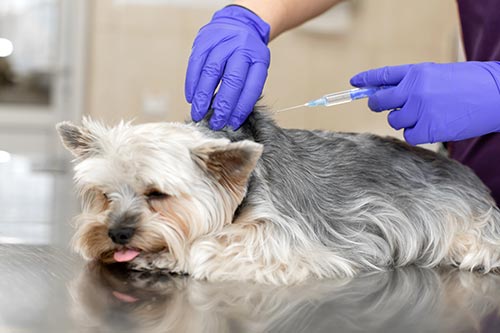
Vaccination programs often begin where animals already come for help. You see this each time you walk into an animal hospital. Staff know your pet’s history. They see disease patterns in real time. They act fast before sickness spreads to your home or community. This blog explains why these programs start at animal hospitals and not in distant offices. You will learn how your veterinarian in Texas City, TX tracks outbreaks, protects your family, and supports public health. You will also see how simple shots at routine visits block painful disease, lower costs, and prevent fear. First, you will read how clinics spot early warning signs. Next, you will see how hospitals turn that knowledge into strong action. Finally, you will learn what steps you can take today to keep your pet safe.
Why animal hospitals are the first line of defense
You bring your pet to an animal hospital for care and comfort. That same visit gives staff a clear view of health risks in your neighborhood. They see coughing dogs, weak puppies, and outdoor cats with wounds. They notice patterns that you do not see at home.
Animal hospitals begin vaccination programs for three clear reasons.
- They see disease early.
- They already have your trust.
- They can act fast and track results.
Staff can compare cases across days and weeks. When they see the same disease again and again, they know it is time to act. Vaccination programs grow from that daily evidence.
How clinics spot early warning signs
Every visit gives staff clues. A pet’s cough, fever, or limp tells part of a story. When several pets show the same signs, staff know a disease may be spreading.
Clinics collect this information in three simple ways.
- They record every visit in a medical chart.
- They share patterns with local health teams.
- They compare their cases with scientific guidance.
For example, the Centers for Disease Control and Prevention (CDC) warns that rabies spreads through bites and almost always kills once symptoms start. Animal hospitals watch bite wounds and vaccine lapses very closely. When they see a higher risk, they respond by pushing rabies shots and boosters.
Early warning inside clinics protects both animals and people. You may think your pet’s cough is small. Staff know it could be the start of kennel cough or flu that can sweep through a boarding kennel or dog park.
Why vaccination works best where care already happens
Vaccination is most effective when it fits into regular care. Animal hospitals already give exams, blood tests, and cleanings. Vaccines slip into that routine with little extra time or cost.
This setting offers three strong benefits.
- Staff can check if your pet is healthy enough for a shot.
- They can store vaccines at safe temperatures.
- They can watch for rare reactions and treat them fast.
Vaccines need careful storage and correct dosing. An animal hospital has trained staff and proper equipment. That structure reduces mistakes and waste. It also supports safe programs during shortages or outbreaks.
Animal hospitals protect public health
Vaccination at animal hospitals does more than protect pets. It also shields you, your children, and your neighbors. Diseases like rabies and some flu strains can move between animals and people.
The CDC and local health agencies rely on clinics to keep these diseases under control. You can see this in state rules that require rabies vaccines for dogs and sometimes cats. Many states base these rules on guidance from the American Veterinary Medical Association and public health data.
When clinics follow these rules, they create a barrier around your community. Each vaccinated pet is one less path for disease to reach a person.
Common vaccines and what they prevent
The table below shows common dog and cat vaccines and the main diseases they target. It also shows what can happen if pets stay unvaccinated.
| Pet | Vaccine | Main disease prevented | Risk without vaccine |
|---|---|---|---|
| Dog | Rabies | Rabies virus | Near 100 percent fatal brain infection. Risk to people from bites. |
| Dog | DHPP | Distemper, hepatitis, parvo, parainfluenza | Severe vomiting, bleeding, lung infections, and death in puppies. |
| Dog | Bordetella | Kennel cough | Harsh cough, poor sleep, spread in kennels and dog parks. |
| Cat | Rabies | Rabies virus | Fatal brain infection. Risk to people from bites or scratches. |
| Cat | FVRCP | Feline viral respiratory and gut diseases | Severe sneezing, eye ulcers, weight loss, death in kittens. |
| Cat | FeLV | Feline leukemia virus | Weak immune system, cancers, and early death in outdoor cats. |
This table is not a full list. It shows why animal hospitals build programs around the most dangerous diseases first. They focus on sickness that causes death, long-term pain, or risk to people.
How staff design a vaccination plan for your pet
No two pets are the same. Clinics design vaccine plans based on three things.
- Your pet’s age and health.
- Your pet’s lifestyle and travel.
- Local disease patterns.
Puppies and kittens need a series of shots. Adult pets need boosters on a schedule. Outdoor pets, hunting dogs, or cats that roam may need extra vaccines. Clinics use local data to guide those choices. They know what diseases are rising in your county right now.
What you can do at each visit
You play a central role in making these programs work. Each visit is a chance to close gaps and prevent regret later. You can take three simple steps.
- Bring any vaccine records you have.
- Tell staff where your pet goes and who they meet.
- Ask which diseases worry them most in your town today.
Honest answers help staff judge risk. If your dog visits a crowded dog park, say so. If your cat slips outside at night, share that. This information guides safe choices.
Why starting at animal hospitals protects your whole community
Vaccination programs begin at animal hospitals because that is where knowledge, trust, and action meet. Staff see the disease first. You already come to them for help. They have the tools to store, give, and track vaccines.
When you keep your pet current on shots, you protect more than one life. You protect your family, your neighbors, and the children who reach out to touch your pet. You help cut off the quiet spread of disease before it reaches someone who cannot fight it.
Your next visit is not only about your pet. It is also a small act of protection for your whole community. That is the real strength of vaccination programs that begin at animal hospitals.