Why Online Education Is Transforming Primary and High School Learning

Parents today are actively searching for the best online school for high school and primary school as education shifts beyond physical classrooms into structured digital environments. They want flexible schooling options that maintain strong curriculum standards while offering global accessibility. Online primary education and online high school programs are no longer emergency alternatives but carefully designed systems supported by trained educators and proven frameworks. Digital classrooms now deliver structured lessons, monitored assessments, and measurable progress that align with recognized academic benchmarks. As remote learning matures, families are reassessing how education can be centered around a child’s needs rather than a rigid timetable.
The Evolution of Online Education
Online education began as a supplement to traditional schooling, often limited to revision materials and recorded lectures. Over the past decade, advances in broadband access, secure learning platforms, and interactive tools have transformed it into a complete academic pathway. Schools now use structured learning management systems that organize lessons, assignments, and teacher feedback in one secure space. Digital classrooms replicate the rhythm of a school day through live sessions, discussion forums, and scheduled assessments. This shift reflects broader changes in how families work and communicate in a connected world.
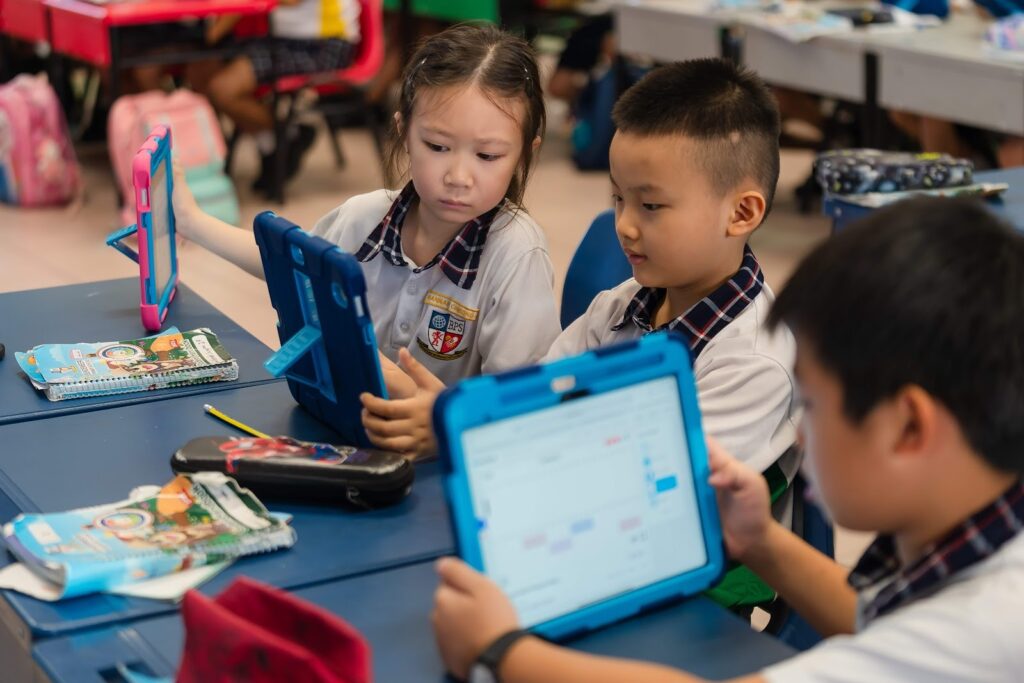
Traditional schools operate within fixed schedules and geographic boundaries that can restrict flexibility. Remote learning removes many of these limits by allowing students to access lessons from home or while travelling. Teachers use screen sharing, breakout rooms, and collaborative documents to maintain interaction and accountability. Attendance tracking and performance analytics provide measurable oversight similar to physical classrooms. These systems demonstrate that online primary education can maintain structure while offering adaptability.
Educational regulators and examination boards now recognize online high school programs that meet established academic standards. This recognition has strengthened trust among parents seeking reliable alternatives. Schools offering structured digital education must demonstrate curriculum alignment, qualified teaching staff, and transparent assessment processes. Many families prioritize accredited frameworks when evaluating options, particularly when preparing for university entry. For this reason, reputable providers emphasize their accredited online learning programs to demonstrate academic credibility.
Traditional Classrooms Versus Digital Classrooms
Traditional classrooms provide face-to-face interaction, structured timetables, and social engagement within a physical space. These environments benefit students who thrive on direct supervision and immediate peer interaction. However, they may limit flexibility for families managing travel, relocation, or specialized learning needs. Digital classrooms address these gaps by offering live instruction alongside recorded materials for revision. Students can revisit complex topics at their own pace without disrupting the class.
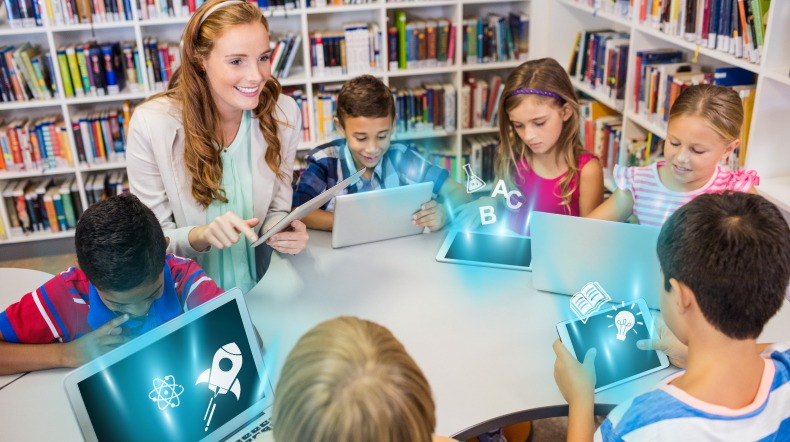
Online primary education often integrates visual learning tools, gamified exercises, and interactive quizzes that sustain attention. Younger students benefit from shorter, focused sessions that align with developmental research on attention spans. Teachers adapt lessons with multimedia resources that would be difficult to manage in traditional settings. Parents also gain clearer insight into coursework through shared dashboards and progress reports. This transparency strengthens communication between educators and families.
For older learners, online high school programs offer subject flexibility that may not be available locally. Students can choose advanced mathematics, foreign languages, or specialized sciences without being restricted by regional staffing limitations. Remote learning also prepares teenagers for university environments where independent study and digital literacy are essential. Structured timetables remain in place, yet students gain greater ownership of their schedules. This balance fosters responsibility while maintaining academic rigor.
Benefits of Online Primary Education
Primary school years establish literacy, numeracy, and foundational social skills. Online primary education platforms design lessons with interactive visuals, guided reading sessions, and teacher-led discussions to support early development. Digital classrooms often include structured breaks and activity-based learning to maintain engagement. Teachers monitor progress through quizzes and short assessments that identify learning gaps early. Parents can review coursework and reinforce concepts at home with clear guidance.
Flexibility benefits families who travel frequently or live in remote regions with limited school options. Children can maintain continuity in their curriculum without interruption. This stability reduces the stress of repeated school transfers. Remote learning environments also allow teachers to personalize support for children who require additional attention. Smaller online class groups often enable more direct feedback than crowded physical classrooms.
Structured digital platforms provide consistent lesson pacing and recorded materials for revision. If a child struggles with a concept, they can replay explanations rather than relying solely on memory. This approach strengthens comprehension and builds confidence over time. Parents often value this transparency because it reduces uncertainty about academic progress. When evaluating the best online school for high school and primary school, families frequently prioritize these support systems.
Advantages of Online High School Programs
High school students face increasing academic pressure as they prepare for examinations and university applications. Online high school programs offer subject diversity that matches international standards. Students can access advanced courses regardless of their physical location. Teachers provide scheduled live lessons, structured assignments, and clear marking criteria. This consistency ensures academic accountability within a flexible framework.
Remote learning also supports teenagers pursuing sports, arts, or professional training alongside academics. Flexible schooling allows them to balance commitments without sacrificing educational progress. Recorded lessons enable revision before examinations, reinforcing complex topics. Students learn to manage deadlines independently, a skill valued in higher education and employment. These experiences prepare learners for real-world responsibilities.
Digital classrooms encourage collaboration through moderated discussion boards and group projects. Students engage with peers from different regions and cultural backgrounds. This exposure broadens perspective and strengthens communication skills. Structured online environments maintain safeguarding policies and monitored interactions to protect students. Families seeking the best online school for high school and primary school often consider these social dimensions alongside academic outcomes.
Flexibility and Global Accessibility
Flexible schooling has become a defining feature of modern education. Families relocating for work or living abroad can maintain a consistent curriculum without disruption. Students in rural areas gain access to subject specialists who may not be available locally. Remote learning bridges geographic gaps through stable digital platforms. This accessibility supports educational equity when implemented responsibly.
Time management improves when students organize study hours around peak concentration periods. Some learners perform better in the morning, while others focus more effectively later in the day. Structured online timetables can accommodate these differences while maintaining accountability. Parents appreciate the ability to review lesson schedules and assessment calendars in advance. This clarity reduces last-minute pressure and improves household planning.
Global accessibility also introduces cross-cultural collaboration within digital classrooms. Students interact with peers from different countries, broadening understanding beyond local perspectives. Teachers integrate global case studies and international examples into coursework. This approach reflects the interconnected nature of modern society. As remote learning continues to expand, its global reach will likely strengthen further.
Making an Informed Educational Choice
Choosing the best online school for high school and primary school requires careful evaluation of curriculum standards, teacher qualifications, and technological infrastructure. Parents should review accreditation status, assessment transparency, and support systems before enrolling. Reliable schools provide clear information about academic pathways and examination preparation. Trial lessons and open days offer insight into teaching style and student engagement. Transparent communication builds trust between families and educators.
Online primary education and online high school programs are not universal solutions for every learner. Some students may thrive in traditional environments that offer daily physical interaction. Others benefit from the flexibility and structure of digital classrooms. Families must assess individual learning styles, personal discipline, and household support capacity. Balanced decision-making ensures long-term academic stability.
Remote learning has evolved into a credible and structured alternative within mainstream education. Digital classrooms now integrate proven teaching methods with accessible technology. Flexible schooling supports diverse lifestyles while maintaining academic accountability. As families weigh their options, understanding the strengths and limitations of each model becomes essential. Informed choices empower students to learn in environments that align with their goals and circumstances.


