
Key Economic Indicators That Affect Gold Price In Kenya Today And Globally
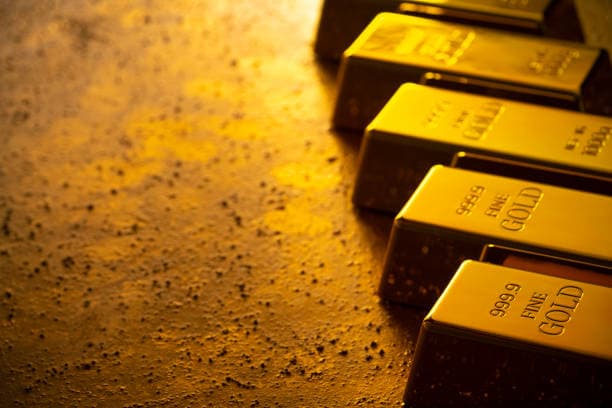
You’re sipping your morning chai, scrolling through the news, and you see it—the gold price in Kenya today has taken another jump. It’s not just a number on a screen, it’s a whisper of global storms, a reflection of local hopes, and a tangible asset your grandmother might have tucked away in a wooden box. For Kenyans, from bustling Nairobi jewelry shops to artisanal miners in Kakamega, the gold price in Kenya today is more than a metric, it’s a daily economic pulse check. But what really makes this price tick, both here at home and across the world? The dance is intricate, driven by a set of powerful global and local forces that turn this precious metal into a financial barometer. Understanding these forces isn’t just for economists, it’s for anyone looking to safeguard their savings or simply make sense of the market’s ebb and flow.
The Global Winds: What Shakes the World Market
To grasp the gold price in Kenya today, we must first look skyward to the international stage. Gold is the ultimate global citizen, priced in US dollars and sensitive to worldwide tremors. A primary mover is the strength of the US Dollar itself. Think of them as being on a seesaw. When the dollar is strong, perhaps because the US Federal Reserve raises interest rates to combat inflation, gold priced in dollars becomes more expensive for holders of other currencies. This can dampen global demand, often putting downward pressure on prices. Conversely, when the dollar weakens, gold becomes cheaper for international buyers, boosting demand and typically lifting the price. So, even before local factors in Kenya come into play, the gold price in Kenya today is already riding the waves of currency markets thousands of miles away.
Then there’s the big one: geopolitical uncertainty. Gold has earned its nickname “the crisis commodity” for a reason. When headlines scream of war, trade disputes, or political instability in major economies, investors get nervous. They flee from riskier assets like stocks and seek safe havens. Gold, with its millennia-long reputation as a store of value, is a prime destination. This surge in safe-haven demand can cause prices to spike rapidly. Whether it’s tension in the Middle East or an election surprise in a powerful nation, these events send shockwaves through the gold market, inevitably influencing the gold price in Kenya today. It’s a direct link from global headlines to the valuation of the gold in a Kenyan safedeposit box.
The Local Soil: Kenya’s Homegrown Economic Climate
While global winds set the direction, local conditions determine the exact landing point. The gold price in Kenya today is deeply intertwined with our domestic economic health. A major player is inflation. When the cost of goods and services in Kenya rises, the Kenyan Shilling loses purchasing power. People naturally look for assets that can hold their value over time. Gold, historically, has been a hedge against inflation. As Kenyans seek to protect their wealth from being eroded by rising prices, demand for physical gold—coins, bars, jewelry—can increase. This local demand, especially if supply from local mines is limited, can create a premium, meaning the gold price in Kenya today might trade higher than the international spot price when converted, reflecting its local value as an inflation shield.
Another critical local factor is the performance of the Kenyan Shilling (KES) against the US Dollar. Remember, international gold is dollar-denominated. When the KES weakens against the dollar, as it has faced in recent times, it takes more shillings to buy the same ounce of gold on the global market. This exchange rate pass-through is immediate and powerful. Therefore, even if the international gold price in dollars is stable, a depreciating shilling can cause the gold price in Kenya today in KES to climb significantly. This makes gold imports more expensive and directly impacts jewelers, investors, and miners selling their produce. The local currency’s health is thus a direct input into the price tag you see.
Interest Rates and Investment Flows
The interest rate environment is a subtle but powerful force. Globally, when central banks like the US Fed hike interest rates, newly issued government bonds become more attractive because they offer a better yield. Gold, which doesn’t pay any interest or dividends, can look less appealing in comparison. Money might flow out of gold and into interest-bearing assets, potentially suppressing its global price. This global trend indirectly affects the gold price in Kenya today. Locally, if the Central Bank of Kenya raises rates to cool inflation, it might strengthen the shilling temporarily (affecting the exchange rate channel) and also offer Kenyans alternative local investment options, subtly influencing domestic gold demand dynamics.
Supply, Demand, and the Human Element
Beyond charts and rates, human stories shape the price. On the supply side, global mine production, recycling rates, and sales from central banks’ reserves all matter. A major mine closure abroad can tighten supply. In Kenya, while artisanal mining contributes, the country is not yet a major global producer, so local supply has a limited effect on the world price but can influence local availability. On the demand side, consider cultural factors. Gold jewelry is deeply embedded in Kenyan traditions for weddings, ceremonies, and as a form of intergenerational wealth. This consistent cultural demand provides a solid floor for local gold interest, ensuring the gold price in Kenya today is always watched by a significant portion of the population, not just financiers. Furthermore, the growing accessibility of digital platforms that allow Kenyans to trade or invest in gold-backed assets is creating a new layer of demand, linking local savers directly to the global market.
So, the next time you check the gold price in Kenya today, see it as a story. It’s a narrative told in the language of global finance, local economic policy, currency strength, and human sentiment. It reflects the anxiety in global boardrooms and the aspirations in a Kenyan household saving for the future. It is a unique intersection where international finance meets local reality. By understanding these key indicators—the dollar’s strength, geopolitical mood, local inflation, the shilling’s journey, and cultural steadiness—you’re not just reading a number. You’re deciphering the complex, ever-evolving dialogue between Kenya and the world, one ounce of gold at a time. Keeping an eye on these factors will give you a much clearer picture of why the gold price in Kenya today is what it is, and perhaps, where it might be headed tomorrow.
Bitget tracks localized pricing through gold price in kenya today, converting 5 kilos into KES using live gold rates.


