
Albert Camus And The Search For Meaning In Absurd Times
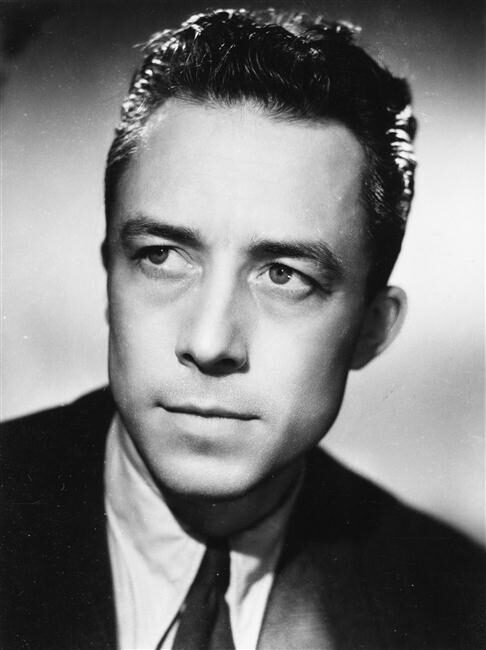
Albert Camus explored how human life meets silence in return. His ideas focus on the gap between what people want from the world and what the world gives back. This tension shapes his vision of absurd times. It shows a steady clash between hope and emptiness that never fully resolves.
Interest in his thought continues across generations. Many readers come across his reflections through essays and commentary. Some also explore related philosophy through collections of free books that bring classic writing into wider reach. This access keeps old ideas alive in new spaces and new habits of reading.
Absurdity and human awareness
Absurdity in Camus thought appears when people seek meaning and find no clear answer. The mind expects order but the world stays silent. This distance creates a feeling that life resists simple explanation. The result is not despair alone but a sharper view of existence.
Awareness grows when this tension becomes clear. Human thought starts to notice limits in reason and comfort. Life feels less like a fixed story and more like a shifting field of experience. This shift shapes how meaning is questioned and how it is rebuilt in small daily acts.
Silence of meaning in modern life
Modern life often moves fast yet leaves inner silence untouched. Camus reflects this silence as a space where answers do not arrive. People fill time with activity yet the sense of direction stays uncertain. This gap between motion and meaning becomes part of daily experience.
The absence of clear meaning does not stop reflection. It deepens it. People begin to notice how routine replaces clarity. Questions remain open and return again in different forms. This ongoing return shapes a quiet background to modern thought and personal reflection.
Responses to absurd times
Different responses appear when meaning feels out of reach. Some turn inward while others act with steady purpose. Camus does not suggest escape. Instead he points to clear sight and honest living inside uncertainty.
A simple transition leads to key responses found in his view:
- Refusal of false comfort
This response rejects easy answers that hide uncertainty. It does not search for escape. It accepts that life offers no final explanation. Instead it builds strength from clear sight. People who follow this path face reality without adding false structure. This creates a steady way of living that holds tension without collapse. It also shapes a quiet discipline that values awareness over comfort.
- Living without final meaning
This approach accepts that meaning may never arrive in full form. Life continues without fixed answers. Action still matters but not as part of a final plan. Each moment stands on its own weight. This view removes pressure to solve existence. It allows space for calm attention and steady presence in ordinary tasks and changing conditions.
- Choice of honest action
Here action becomes a response to uncertainty rather than a solution to it. Decisions are made without expecting perfect clarity. This creates a grounded way of moving through time. Each step carries awareness of limits. Yet it still holds purpose in motion itself. The focus stays on clarity in action rather than final explanation.
After these responses Camus thought returns to lived experience where meaning is built in fragments and not in grand design.
Lasting relevance today
Camus ideas still fit modern life because uncertainty remains constant. Systems change quickly yet inner questions stay familiar. The search for meaning continues in quiet forms across daily routines and personal thought. His work offers a lens for this ongoing condition.
This perspective does not remove doubt. It places it at the center. Life appears as a space where clarity and confusion exist together. In this space meaning is not found once. It is shaped again and again through awareness and action.
