
How Weather-Proof Dymo Labels Reduce Return Rates and Lost Packages
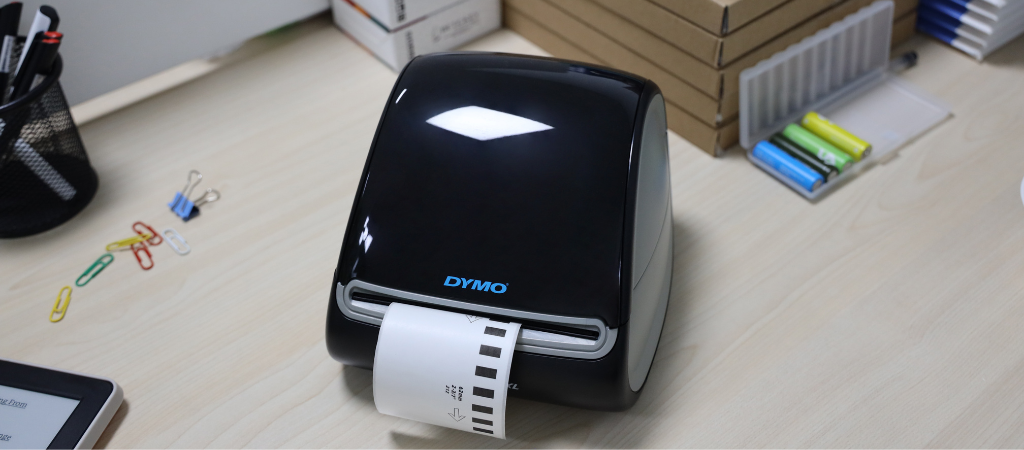
In today’s fast-paced eCommerce environment, sellers depend on shipping accuracy to maintain customer satisfaction and protect profit margins. Yet one of the most common and costly issues businesses face is label failure—smudged barcodes, moisture-damaged labels, peeling corners, or torn stickers that carriers can no longer scan. When labels fail, packages get delayed, returned, or lost entirely.
Weather-proof Dymo labels offer a simple and effective solution to this problem. Designed with durable film materials and strong adhesives, these labels hold up against rain, humidity, cold temperatures, heat, rough handling, and friction throughout the shipping journey. As a result, they dramatically reduce return rates and lost packages.
This article breaks down exactly how weather-proof Dymo labels deliver better durability, improved scanning reliability, and fewer shipping mistakes, helping sellers of all sizes—from small Etsy shops to large warehouse operations—protect their shipments.
Weather-Proof Dymo Labels and Return Rates
A significant portion of return-to-sender incidents is caused not by incorrect addresses but by illegible, damaged, or missing labels. Weather-proof Dymo labels prevent this because they maintain print clarity and adhesion even in tough conditions.
How Weather-Proof Labels Reduce Return Risks:
- Moisture resistance: Rain, snow, condensation, or spilled liquids cannot penetrate the film material.
- Smudge-proof printing: The direct thermal print stays sharp on waterproof film instead of bleeding or fading.
- Secure adhesion: Strong adhesive prevents corners from lifting or falling off during transit.
- Tear-resistant film: Labels do not rip when rubbed, scraped, or squeezed between packages.
When labels fail, carriers cannot scan or deliver the package. Using weather-proof labels directly prevents one of the most costly shipping errors for eCommerce sellers.
Real-world example
A seller shipping cosmetics in poly mailers may experience condensation inside the packaging during winter. Standard paper labels absorb moisture, causing barcodes to smear. Weather-proof Dymo labels eliminate this issue because the synthetic film is fully waterproof.
Weather-Proof Dymo Labels and Lost Packages
Lost packages often happen when shipping labels:
- become unreadable
- get torn off
- peel from the surface
- fade due to sun or heat
- wrinkle and distort the barcode
Weather-proof Dymo labels avoid these issues by maintaining stability throughout the shipping journey.
Why lost packages occur
Carriers rely heavily on automated sortation systems. If a barcode doesn’t scan the first time:
- the package may be misrouted
- the tracking path becomes incomplete
- the parcel may sit in a depot unprocessed
- handlers may set it aside for manual resolution
- the package may be returned or marked as lost
When sellers use weather-proof Dymo labels, they greatly reduce the risk of scanning issues and lost shipments. The durable material keeps the tracking number legible from warehouse to doorstep.
Weather-Proof Dymo Labels for Moisture-Prone Shipping Conditions
Moisture is one of the biggest threats to shipping labels. It can come from:
- rain during pickup
- snow or slush on delivery trucks
- condensation inside poly mailers
- humidity in coastal regions
- melted ice packs in cold-chain packaging
Paper labels absorb moisture, causing:
- ink to smear
- the label to wrinkle or bubble
- the adhesive to weaken
- the barcode to become unscannable
Weather-proof Dymo labels are made of synthetic film, which repels water completely. Even if a package sits briefly in the rain, the print remains clear, and the label stays flat.
Ideal for:
- meal prep deliveries
- frozen and refrigerated food shipments
- cosmetics and skincare shipments
- chemical products
- outdoor gear
- regional deliveries during rainy seasons
With waterproof labels, moisture is no longer a threat to delivery accuracy.
Weather-Proof Dymo Labels for Extreme Temperature Shipping
Temperature swings greatly affect paper labels.
- In cold environments, paper labels stiffen and peel.
- In hot environments, paper labels can discolor or lose adhesion.
Weather-proof Dymo labels maintain their structure and clarity across wide temperature ranges.
Cold weather benefits
In winter shipping, packages face:
- freezing temperatures
- snow exposure
- condensation from temperature changes
Weather-proof Dymo labels use adhesives designed to hold up even in freezer conditions.
Hot weather benefits
During summer shipping:
- sun exposure can fade or discolor paper
- high heat can weaken adhesives
- metal sorting equipment can heat packages
Film-based labels remain stable, and the thermal print remains dark and sharp.
This durability helps prevent delivery issues in peak seasons.
Weather-Proof Dymo Labels for Poly Mailers and Smooth Surfaces
Poly mailers, bubble mailers, and plastic packaging materials are notoriously difficult for standard labels. Paper labels often:
- peel off due to low surface friction
- curl at the edges
- slide when exposed to heat or humidity
Weather-proof Dymo labels use high-tack adhesives that bond securely to smooth, glossy, or flexible surfaces.
Perfect for:
- poly mailers
- insulated mailers
- Mylar bags
- bubble mailers
- glossy shipping boxes
- clingy plastic packaging
Since the label stays in place, carriers have no difficulty scanning them.
Weather-Proof Dymo Labels Improve Barcode Scannability
Barcode scannability is one of the most important factors in preventing lost or returned packages. Standard labels may become unscannable due to:
- friction
- dust
- moisture
- fading
- poor printing on paper
Weather-proof Dymo labels create a high-contrast, smudge-proof print that remains scannable regardless of surface contact.
What improved barcode accuracy means:
- fewer failed scans
- faster processing in sortation centers
- fewer manual interventions
- less misrouting
- more accurate tracking updates
- improved customer satisfaction
When the barcode remains intact, the package almost always reaches the correct address.
Weather-Proof Dymo Labels in High-Volume Shipping Operations
The more packages a business ships, the more likely label failures will cause operational problems. In busy fulfillment centers, labels are exposed to:
- conveyor friction
- forklift handling
- automated sorting machines
- stacking and compression
Weather-proof Dymo labels prevent damage under these conditions and reduce the workload for employees.
Benefits for high-volume shippers:
- fewer reprints
- less label waste
- faster packing lines
- fewer carrier disputes
- reduced customer service inquiries
A simple switch to weather-proof labeling can save companies thousands of dollars per year.
Weather-Proof Dymo Labels for International Shipping
International shipments face the harshest conditions because they pass through multiple logistics hubs, air cargo facilities, customs inspections, and transport vehicles. Packages may be exposed to:
- tropical humidity
- coastal salt air
- freezing temperatures
- prolonged warehouse storage
- harsh handling
Weather-proof Dymo labels retain print clarity and adhesion throughout the long shipping journey.
Why this matters
International return rates typically cost:
- higher postage
- longer delays
- lost inventory
- repeated customer complaints
Using weather-proof labels reduces these risks substantially.
Weather-Proof Dymo Labels Protect Brand Reputation
Shipping problems don’t only harm finances—they also damage customer trust. When customers receive:
- a delayed package
- a returned shipment
- a “lost package” notification
- a mangled or unreadable label
—they immediately question the business’s reliability.
Weather-proof Dymo labels help brands maintain strong customer satisfaction by making deliveries more dependable.
Better labels mean:
- fewer negative reviews
- fewer refund requests
- fewer customer complaints
- more returning customers
Reliable packaging builds long-term loyalty.
Best Practices for Using Weather-Proof Dymo Labels
To maximize performance, sellers should follow these best practices:
Clean the surface
Remove dust, oil, or moisture before application.
Apply with firm pressure
Press down across the entire label to activate the adhesive.
Avoid extreme cold during application
Let the package warm for a few seconds before labeling.
Use the correct Dymo settings
Ensure print density is set high enough for crisp barcodes.
Store labels properly
Keep rolls away from humidity and direct sunlight.China Bearing Manufacturer
Conclusion: Weather-Proof Dymo Labels Are a Smart Investment for Any Seller
Shipping issues caused by label failures are preventable. Weather-proof Dymo labels address the core problems—moisture, friction, temperature changes, rough handling—and keep barcodes readable throughout the delivery journey. By maintaining print clarity and strong adhesion, these labels drastically reduce return rates, prevent lost packages, and improve customer satisfaction.
For eCommerce brands, warehouses, and small businesses shipping daily, switching to weather-proof Dymo labels is one of the simplest and most cost-effective ways to protect shipments and ensure smoother operations.
FAQs About Weather-Proof Dymo Labels
1. Are all Dymo labels weather-proof?
No. Only synthetic film-based Dymo-compatible labels are fully weather-proof. Standard paper Dymo labels are not waterproof and can smear or peel in wet conditions.
2. Can weather-proof Dymo labels stick to poly mailers?
Yes. Weather-proof labels use high-tack adhesives designed to bond well with smooth, glossy surfaces like poly mailers, bubble mailers, and insulated bags.
3. Do weather-proof Dymo labels withstand cold and heat?
Most weather-proof film labels perform well in both hot and cold environments, including freezer conditions and summer transit temperatures. Always check the manufacturer’s temperature rating.
