
4 Preventive Dentistry Tools General Dentists Recommend For Kids
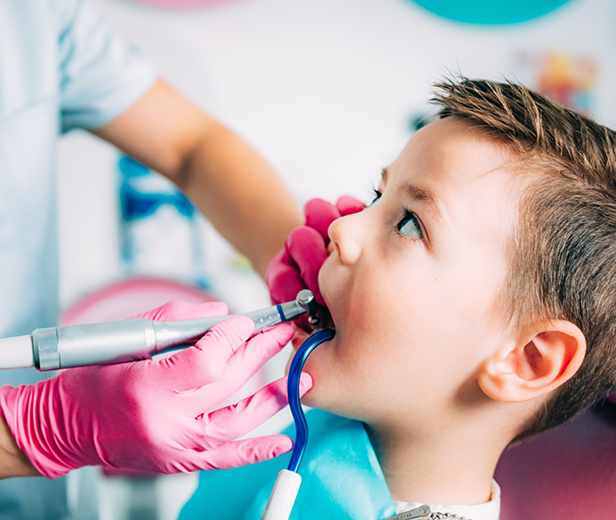
Preventive dentistry for kids is crucial for long-term oral health. Early habits can shape your child’s dental well-being. A dentist in Abilene, TX, stresses using the right tools. These tools help prevent cavities and other dental issues. You can start this journey with four essential tools. These tools are safe, easy to use, and effective. For instance, toothbrushes with soft bristles protect young gums. Fluoride toothpaste helps strengthen growing teeth. Dental floss is important for cleaning between teeth. Finally, mouthguards prevent injuries during sports. You can ensure your child’s smile stays healthy and bright. These tools make dental care approachable and stress-free for both you and your child. By integrating these practices, you encourage lifelong dental health. Your choice today can prevent dental problems tomorrow. Taking these steps now shows care and consideration for your child’s future. This guidance empowers you to support your child’s oral health confidently.
Toothbrushes with Soft Bristles
Choosing the right toothbrush is the first step in preventive dentistry. Soft bristles offer gentle cleaning without harming sensitive gums. Kids are often eager but lack the dexterity for gentle brushing. A toothbrush with soft bristles ensures effective cleaning while minimizing risks. According to the Centers for Disease Control and Prevention (CDC), brushing twice daily with the right toothbrush prevents plaque buildup effectively. It also encourages a positive attitude towards oral hygiene. Replace the toothbrush every three to four months. Consider doing so sooner if the bristles fray. Regular replacement helps maintain optimal cleaning efficiency. It’s also a good idea to select a size that fits comfortably in your child’s mouth.
Fluoride Toothpaste
Fluoride toothpaste plays a vital role in strengthening enamel. Young teeth benefit significantly from fluoride, as it offers extra protection against cavities. The American Dental Association (ADA) recommends using fluoride toothpaste as soon as the first tooth appears. Use a rice-sized amount for children under three. Increase to a pea-sized amount once they are over three. This helps balance the benefits of fluoride without overexposure. Ensure your child spits out the toothpaste after brushing. This simple habit helps in reducing the risk of swallowing fluoride.
Importance of Dental Floss
Brushing alone isn’t enough. Dental floss is essential for removing food particles and plaque trapped between teeth. These are areas a toothbrush can’t reach. Begin flossing your child’s teeth as soon as two teeth touch. This practice is confirmed by National Institute of Dental and Craniofacial Research (NIDCR) to prevent cavities and gum issues. Choose floss sticks or picks for easier handling. They are often more manageable for children who find traditional floss hard to use. Regular flossing prevents tartar buildup and supports healthier gums.
Mouthguards for Sports
Active kids often engage in sports, making mouthguards crucial. Injuries to the mouth during activities can lead to significant dental damage. A correctly fitted mouthguard protects teeth and jaws. It also reduces the risk of concussions. Custom-made mouthguards from a dentist offer the best protection. However, over-the-counter options are available and provide adequate safety. Teach your child to wear a mouthguard during all sporting activities. This habit ensures they remain protected whether during practice or a game.
Comparison Table: Preventive Tools Benefits
| Tool | Benefit |
|---|---|
| Soft Bristle Toothbrush | Gentle on gums, prevents plaque |
| Fluoride Toothpaste | Strengthens enamel, prevents cavities |
| Dental Floss | Removes debris between teeth |
| Mouthguard | Protects during sports, prevents injuries |
By using these four tools, you make preventive dental care straightforward and efficient. Regular dental checkups complement these efforts. They ensure any potential issues are addressed early. Dental visits encourage your child to ask questions and learn proper techniques. This fosters a proactive approach to dental health. Being consistent with these practices forms the foundation of your child’s bright smile. You’re instilling habits that will last a lifetime. Together, these tools and practices create a robust defense for your child’s oral health. Encourage daily use. This commitment leads to a lifetime of strong, healthy smiles. You’re not just caring for teeth. You’re nurturing confidence and well-being.


