
5 Advantages Of Maintaining Regular Veterinary Appointments
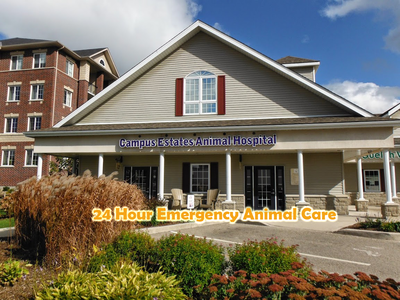
You mean to schedule the visit, then work gets busy, your pet seems fine, and the appointment slips another month. That happens more often than most people admit. Pets are good at hiding pain, which makes it easy to assume everything is normal until something changes fast. By then, you are dealing with stress, cost, and the guilt that comes with wondering if you missed a sign. In those moments, finding a trusted Guelph emergency vet can make all the difference.
Regular veterinary appointments do more than update vaccines or check a box. They help catch illness early, track changes over time, protect the people in your home, and spare you from larger problems later. If you want the short version, routine care gives your pet a better shot at a longer, steadier life and gives you clearer answers before small issues grow.
Routine veterinary care catches problems before they turn serious
A pet can eat, sleep, and act mostly normal while something is starting under the surface. Dental disease, arthritis, weight gain, skin problems, heart changes, and kidney issues often build slowly. You may notice a little less jumping, a small shift in appetite, or a change in breathing and chalk it up to age. That is where a general veterinarian becomes so useful. Small clues that seem harmless at home can mean something very different in an exam room.
Early detection changes the whole experience. A mild ear infection is easier to treat than a deep, painful one. A slight weight increase is easier to correct than obesity with joint strain and blood sugar problems. Cornell’s overview of routine vet checkups points to the value of regular exams in finding concerns before they become harder and more expensive to manage.
Preventive vet visits reduce long term costs and stress
Most people do not skip care because they do not love their pet. They skip because life is expensive, and if a dog or cat looks healthy, a checkup can feel optional. The trouble is that delayed care often leads to urgent care, emergency visits, and more involved treatment plans. A planned exam is easier on your budget than a weekend emergency for vomiting, untreated infection, or a condition that went unnoticed for months.
This is one of the clearest benefits of regular pet checkups. You are not only paying for a visit. You are paying for trend tracking, baseline health records, and a chance to deal with issues while they are still manageable. That lowers the odds of surprise decisions made under pressure, when your pet feels awful and you are trying to absorb too much information at once.
Regular veterinary appointments support safer homes and healthier families
Your pet’s health affects more than your pet. Parasites, skin conditions, and some infections can spread between animals and people. Children, older adults, and anyone with a weaker immune system face more risk. Preventive exams help your veterinarian spot concerns, recommend testing when needed, and keep vaccines and parasite control current.
The CDC’s guidance on healthy pets and safe contact with animals explains how regular care helps lower the risk of disease spread in the home. That matters if your dog sleeps in the bed, your cat walks across kitchen counters, or your kids are on the floor with your pet every day. Good veterinary care protects the bond you have with your animal and the people around them.
Travel, boarding, and life changes go smoother with current vet records
You do not always think about paperwork until you need it fast. Then you are trying to board your dog, move across state lines, or plan a trip and realize the vaccine record is outdated or a health certificate is required. Regular appointments keep your records current and make these moments much less chaotic.
If travel is part of your life, the USDA’s pet travel process overview shows how health documentation can become part of the process. A pet with an established care history is easier to prepare for boarding, grooming requirements, interstate moves, and travel deadlines. That kind of readiness saves time and keeps your plans from turning into a scramble.
Consistent exams build a clearer picture of your pet’s normal
One isolated visit can only show so much. Ongoing care gives your veterinarian context. They know your pet’s usual weight, behavior, skin condition, dental status, and exam findings. When something shifts, they are not guessing from zero. They can compare today with last year or even six months ago.
This is one of the strongest reasons to keep up with pet wellness exams. Senior pets change faster. Young pets need monitoring as they grow. Pets with allergies, chronic conditions, or breed related risks benefit from continuity because patterns matter. What looks minor on its own can stand out clearly when someone has seen the full timeline.
The difference between waiting and staying current is often larger than it looks
| SITUATION | STAYING CURRENT WITH APPOINTMENTS | WAITING UNTIL A PROBLEM APPEARS |
| Dental disease | Early plaque and gum changes identified before major pain | Advanced disease, bad breath, tooth loss, costly treatment |
| Weight gain | Small diet and activity changes based on trend tracking | Obesity, joint strain, harder weight loss plan |
| Parasite prevention | Routine screening and prevention guidance | Infestation, household exposure, more treatment needs |
| Travel or boarding | Current records and less last minute stress | Missed deadlines, denied boarding, rushed appointments |
| Chronic disease | Earlier diagnosis and monitoring | Symptoms noticed later, more severe progression |
Three steps you can take right away
1. Put the next appointment on the calendar before you forget. If your pet has not been seen in a year, schedule now. If they are older or have a chronic issue, ask whether they should be seen more often.
2. Keep a short health note on your phone. Track appetite, energy, bathroom habits, scratching, coughing, limping, and weight changes. Patterns are easier to spot when you write them down as they happen.
3. Bring questions, not just your pet. Ask about vaccines, dental health, parasite prevention, diet, mobility, and behavior changes. A general veterinarian can often connect small concerns that seem unrelated at home.
Keeping up with veterinary visits is not about being perfect. It is about staying close to your pet’s health before something forces your hand. That steady care can mean fewer surprises, better treatment options, and more peace of mind for you and your animal. If it has been a while, schedule your pet’s next checkup and get current with the care they depend on.

