
6 Preventive Habits That Make General Dentistry Visits Easier
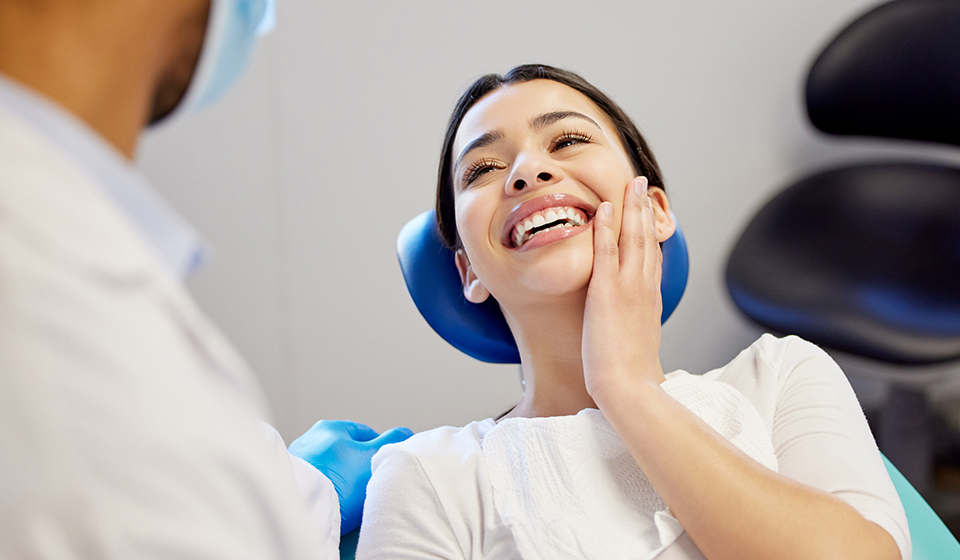
You deserve dental visits that feel calm and quick, not tense and painful. Simple daily habits protect your mouth and reduce the chance of drills, shots, or long exams. They also help you avoid surprise problems that drain your energy and money. This blog shares 6 preventive habits that keep your teeth strong and your gums steady. Each habit is easy to start, even if your routine feels packed. You will see how small changes at home can shorten your appointments and improve your checkup results. You will also learn when to call your Manhasset dentist before a small issue turns into a crisis. These habits support you between visits, so your dentist can focus on fine tuning instead of fixing major damage. Your future self will feel relief each time you sit in the chair and hear, “Everything looks good today.”
1. Brush with purpose, not speed
Most people brush fast and miss key spots. You need two minutes, twice a day. Morning and night. Use a soft brush and fluoride toothpaste. The fluoride strengthens your enamel. The soft bristles protect your gums from wear.
Focus on three steps.
- Brush the front of every tooth.
- Brush the back of every tooth.
- Brush the chewing surfaces where food hides.
The American Dental Association explains that fluoride helps prevent decay by protecting enamel and fighting early damage. You can read more on the ADA fluoride toothpaste page.
When you brush with care, your visits feel easier. Your dentist spends less time scraping and more time guiding you.
2. Floss daily to stop hidden damage
Toothbrush bristles cannot reach between teeth. Food and bacteria sit in those tight spaces. They cause cavities and bleeding gums. Flossing once a day breaks that cycle.
Use this simple pattern.
- Slide the floss gently between two teeth.
- Curve it around one tooth in a C shape.
- Move it up and down from gumline to tip.
- Repeat on the neighbor tooth.
The Centers for Disease Control and Prevention link poor gum health with other health problems in the body. You can see their guidance on periodontal disease.
Regular flossing means your gums bleed less during cleanings. Your visit feels calmer and you leave with more control over your health.
3. Choose drinks and snacks that protect your teeth
Your mouth is under attack all day from sugar and acid. You do not need a perfect diet. You do need smart swaps.
Use this table as a guide.
| Choice | Less Helpful Habit | Better Habit | Effect on Teeth |
|---|---|---|---|
| Drinks | Sipping soda or sports drinks all day | Drinking water between meals | Water washes away sugar and acid. Soda feeds decay. |
| Snacks | Sticky candy or gummies | Nuts, cheese, or crisp vegetables | Sticky snacks cling to teeth. Crunchy foods clean surfaces. |
| Timing | Constant snacking | Set snack times | Frequent snacks keep acid high. Breaks let enamel recover. |
When you cut back on sugar and acid, your dentist sees fewer soft spots and early cavities. Your checkups stay short and simple.
4. Use fluoride and sealants when advised
Some mouths need extra protection. Children, teens, adults with many fillings, and people with dry mouth face higher risk. Fluoride and sealants give those teeth a strong shield.
Fluoride treatments strengthen enamel. Sealants cover the deep grooves in back teeth where brushes often miss. They are quick to place and painless for you or your child.
The National Institute of Dental and Craniofacial Research explains that sealants can prevent most decay in molars in children. You can read more on the NIDCR sealants page.
When you accept fluoride and sealants as advised, you reduce the chance of future fillings. Your visits become about checking healthy teeth, not fixing broken ones.
5. Keep a steady checkup schedule
Skipping visits may feel easier in the short term. It creates more stress over time. Small problems grow in silence. You only feel them when they reach the nerve or bone.
Set a clear pattern.
- Schedule your next cleaning before you leave the office.
- Use phone reminders or a family calendar.
- Call if you notice pain, swelling, or a broken tooth.
Regular checkups let your dentist find and treat concerns early. A tiny cavity can be fixed fast. A cracked filling can be smoothed or replaced before it turns into a root canal or extraction.
When you stay on schedule, your visits feel more predictable and less frightening. You walk in knowing you are staying ahead, not catching up.
6. Protect your mouth during sports, sleep, and stress
Many dental injuries come from contact sports, grinding at night, or clenching during stress. You may not notice these habits until a tooth chips or a jaw aches every morning.
You can lower that risk with three tools.
- Sports mouthguards for children and adults in contact sports.
- Nightguards for grinding or clenching in sleep.
- Simple stress control habits like slow breathing or stretching.
These steps prevent broken teeth, worn enamel, and sore jaw joints. They also protect crowns and fillings you already paid for. Each protected tooth is one less long appointment later.
Putting it all together for easier visits
These six habits work together.
- Brushing and flossing clean your teeth.
- Smart food choices and fluoride protect them.
- Regular visits and mouthguards keep damage from building.
You do not need to change everything at once. Choose one habit this week. Practice it until it feels normal. Then add the next. You will notice less bleeding, less worry, and more control.
When you keep these habits, your local dentist can focus on simple care and early warning signs. Your visits feel shorter, calmer, and more respectful of your time and energy. That steady comfort is the real goal of preventive care.


