
The Role Of Bone Grafting In Modern Implant Dentistry
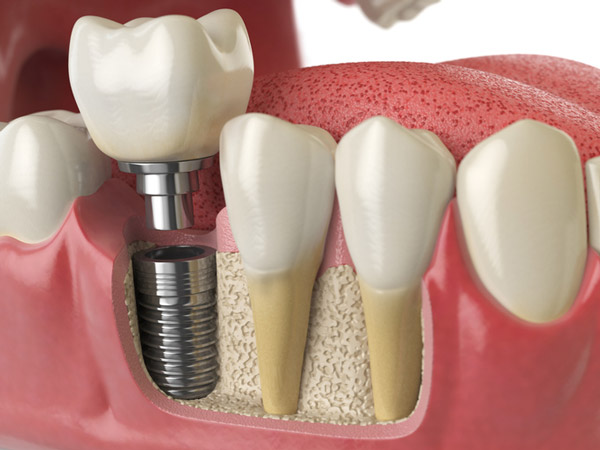
To place a strong dental implant, you first need enough healthy bone. Many people do not have that. Tooth loss, infection, or injury can thin the jaw. This loss weakens support for implants and can cause pain and chewing problems. Bone grafting helps rebuild this support. You receive new bone material where your jaw has worn away. Over time, your body accepts this material and creates strong, stable bone. As a result, your dentist can place implants that feel firm and last longer. This process protects nearby teeth and helps keep your face shape steady. You gain a stronger bite and more comfort when you eat or speak. West Houston periodontal services use bone grafting to prepare your mouth for safe implant treatment. You deserve clear facts, simple steps, and careful planning. Bone grafting offers that structure from the start.
Why healthy jaw bone matters for implants
A dental implant needs solid bone for support. Without that, the implant can move, fail, or feel weak when you chew.
Three common causes of bone loss are:
- Tooth loss that has stayed untreated
- Gum disease that has worn away bone
- Injury or past surgery in the jaw
When a tooth is missing, the bone under it stops getting daily pressure from chewing. Then the body starts to thin that bone. Over time, the ridge of bone shrinks. This changes the shape of your bite and your smile.
You may notice:
- Loose fit of nearby teeth
- Sunken look around the mouth
- Shifting or crowding of teeth
Bone grafting helps stop this slide. It gives the implant a stronger base and helps protect the bone you still have.
What bone grafting actually does
Bone grafting adds new material to weak spots in your jaw. Then your body replaces that material with your own bone. The graft acts like a scaffold. Your cells grow through it and harden it.
Common graft sources include:
- Your own bone from another part of your mouth
- Donor bone that has been cleaned and prepared
- Mineral bone from animal sources
- Man made bone like materials
Your dentist chooses the source based on your health, the size of the defect, and your comfort with each option.
For general information on bone and tooth support, you can read about periodontal disease and bone loss from the National Institute of Dental and Craniofacial Research.
Types of bone grafts used with implants
Not every graft is the same. Different spots in the mouth need different support. Here are three common types used with implants.
| Graft type | Where it is used | When it is used | Typical healing time before implant |
|---|---|---|---|
| Socket graft | In the empty tooth socket | Right after a tooth is removed | 3 to 6 months |
| Ridge augmentation | On a thin or sunken jaw ridge | When bone has shrunk over months or years | 4 to 9 months |
| Sinus lift | Upper back jaw under the sinus | When the sinus floor is low, or the bone is very thin | 6 to 9 months |
This timing can change with age, health, and the size of the graft. Your dentist will track healing with exams and sometimes X rays.
Step by step: how bone grafting fits into implant care
You can expect three main stages.
First is planning.
- Review of your health history and medicines
- Exam of your teeth, gums, and bite
- Imaging such as 3D scans to measure bone height and width
Second is the graft procedure.
- Local numbing of the area so you feel no pain during treatment
- Gentle lifting of the gum to reach the bone
- Placement of graft material in the weak spot
- Covering the graft with a membrane in many cases
- Stitching the gum closed
Third is healing and monitoring.
- Follow up visits to check the site
- Home care directions for brushing and rinsing
- Delay of implant placement until the new bone is strong
Benefits you may feel after bone grafting
Bone grafting is not only about the implant. It also supports your daily comfort and function.
Many people notice:
- More stable chewing on the treated side
- Less shifting of nearby teeth
- Improved fit of future bridges or dentures if needed
There is also a quiet gain. Stronger bone helps keep your facial shape steadier as you age. Loss of jawbone can cause a collapsed look around the mouth. Grafting helps slow that process and supports a more natural profile.
Risks, healing, and what you can control
Any surgery carries risk. Bone grafting is no different. Common concerns include swelling, soreness, or minor bleeding. Infection or graft failure can occur, though this is less common with careful planning and clean technique.
You can help by:
- Following all home care directions
- Not smoking or vaping, which harms blood flow to the graft
- Keeping follow-up visits even if you feel fine
- Calling your dentist if pain suddenly worsens
Healing often takes months, not weeks. That wait can feel long. Yet strong bone now supports an implant that can last for many years.
When to ask about bone grafting
You should ask about bone grafting if:
- You lost a tooth some time ago and now want an implant
- You were told in the past that you lack enough bone for an implant
- You have gum disease with bone loss and want to plan for future implants
Early action often means a simpler graft and a smoother path to an implant. Waiting can allow more bone to shrink, which can require larger grafts and longer healing.
Key takeaway for you and your family
Bone grafting turns a weak jaw into a stronger base for implants. It supports chewing, speech, and face shape. It also helps protect the teeth you still have.
If you face tooth loss or have lived with missing teeth, you are not alone. You can ask clear questions about bone health, graft options, and healing time. With honest information and steady planning, bone grafting can open the door to implants that feel secure and help you eat, speak, and smile with more ease.

