
Why Vaccinations Are Central To Veterinary Hospital Care
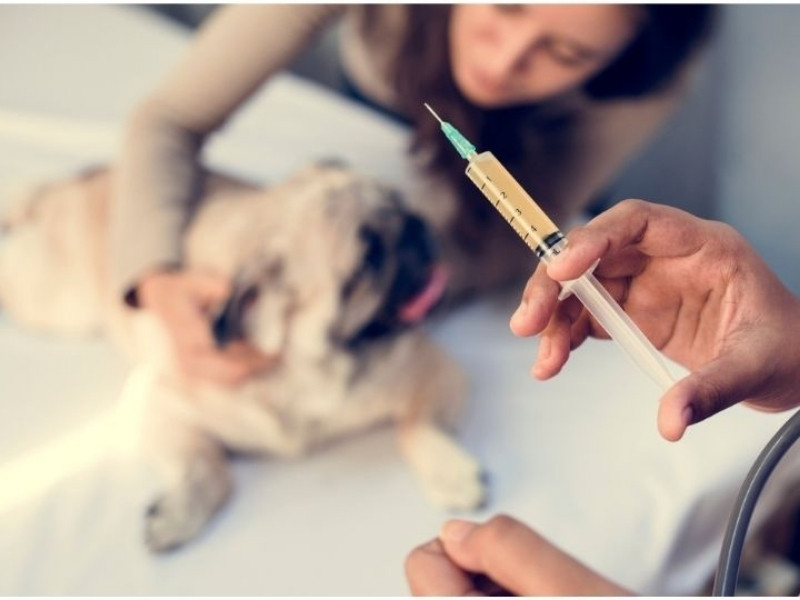
Vaccinations sit at the center of your pet’s health. You bring your dog or cat to a hospital for care you can trust. You expect protection from pain, infection, and long recoveries. Shots do that work quietly. They guard against deadly diseases that spread fast in waiting rooms, kennels, and parks. They also lower the risk of costly emergencies and risky treatments. Even a strong pet can lose strength fast from preventable illness. Care teams in Sumter veterinary surgery and general practice depend on vaccines to keep pets stable before, during, and after procedures. Each shot is a small step that supports every exam, every test, and every operation. When you keep up with vaccines, you give your pet a safer life and you give your veterinary team a safer workplace. This blog explains why that choice matters every single visit.
Why hospitals rely on vaccines before any treatment
Every hospital visit puts your pet near other animals. Some look healthy but still spread disease. You cannot see those risks. Your care team can. Vaccines give a safety net that supports every other service the hospital provides.
First, vaccines cut the chance that your pet carries infections into exam rooms or surgery suites. That protects your animal and others in the building. It also protects staff who move from patient to patient all day.
Second, many diseases spread through the air or through urine, stool, or saliva. A short stay for grooming, boarding, or tests can expose your pet. Core shots build a shield that keeps these exposures from turning into long sickness and hospital stays.
Third, vaccines let your veterinarian focus on the problem that brought you in. You avoid delays, extra tests, and isolation steps that are needed when basic vaccines are missing.
How vaccines protect surgery and recovery
Surgery puts stress on your pet’s body. The immune system works harder during healing. If your pet catches a preventable disease at the same time, recovery becomes longer and harder.
Vaccination supports surgery in three clear ways.
- It reduces the chance of infection that can spread through the hospital.
- It lowers the risk of breathing problems from diseases like kennel cough during anesthesia.
- It helps your pet heal without the extra burden of fever, coughing, or diarrhea.
Many hospitals require proof of core vaccines before scheduling non emergency procedures. This policy is not a barrier. It is a shield that keeps surgery safe for every patient in the building.
Core vaccines for dogs and cats
Core vaccines are shots that almost every pet needs. They protect against diseases that spread easily and cause severe harm or death. The American Veterinary Medical Association explains core vaccines for dogs and cats in clear terms at this vaccination guide.
Common core vaccines for dogs and cats
| Pet | Core vaccine | Main threat it prevents |
|---|---|---|
| Dog | Rabies | Fatal disease that spreads to people through bites |
| Dog | Distemper, Parvovirus, Adenovirus (often combined) | Severe stomach illness, lung disease, and nerve damage |
| Dog | Parainfluenza | Respiratory infection that spreads in groups of dogs |
| Cat | Rabies | Fatal disease that spreads to people and other animals |
| Cat | Feline Panleukopenia | Severe stomach and immune system damage |
| Cat | Feline Herpesvirus and Calicivirus | Serious respiratory and eye infections |
Hospitals often recommend more vaccines based on your pet’s lifestyle. Dogs that visit boarding kennels may need Bordetella and canine influenza. Outdoor cats may need feline leukemia shots. Your veterinarian uses your pet’s age, health history, and daily life to plan the right schedule.
Why keeping a schedule matters more than one shot
One vaccine is not enough. You need the right series and boosters at the right time. Young animals need several shots because their early protection from their mother fades. Their immune system needs repeat exposure to build strong defense.
Later, booster doses keep that protection from fading. If you miss boosters, your pet’s shield weakens. Your veterinarian may need to restart a series or delay surgery until enough time has passed after a new shot.
The Centers for Disease Control and Prevention provides general guidance on how vaccines work in people at this resource on vaccine questions. The same core idea applies to pets. The immune system learns, remembers, and responds faster when it meets the same threat again.
Cost, risk, and the hard truth about preventable disease
Some pet owners worry about the cost of vaccines. It is hard to face any extra bill. Yet the cost of treatment for a preventable disease is often many times higher.
Compare these two paths.
- Regular vaccines. Short visits. Small fee. Quick recovery from any mild side effects.
- No vaccines. Higher risk of parvo, distemper, or rabies. Long hospital stays. Isolation. Intensive care. High stress for you and your pet.
There is also the risk to your family. Rabies is almost always fatal once symptoms start. A single bite from an unvaccinated pet can lead to painful treatment for every person exposed. It can also lead to strict legal steps for your animal. A simple rabies shot cuts this fear from your home.
How you can support safer hospital care
You play the main role in this protection. Your choices before each visit shape the safety of your pet and every other animal in the hospital. You can take three clear steps.
- Keep a written or digital record of your pet’s vaccines. Bring it to every visit.
- Ask your veterinarian which shots are required before surgery, boarding, or grooming.
- Schedule boosters early so you do not face delays when your pet needs urgent care.
When you stay current on vaccines, you reduce fear during emergencies. You walk into the hospital knowing your pet has a shield around the most severe threats. That calm helps you listen, ask hard questions, and make clear choices for treatment.
Closing thoughts
Vaccinations are not a side task on your pet’s chart. They are the foundation that holds up every exam, every surgery, and every recovery. You cannot see the diseases they prevent. You can see the comfort and safety they create for your pet, your family, and your care team. Choose to keep that shield strong. Your pet depends on you to make that call before trouble starts.


