
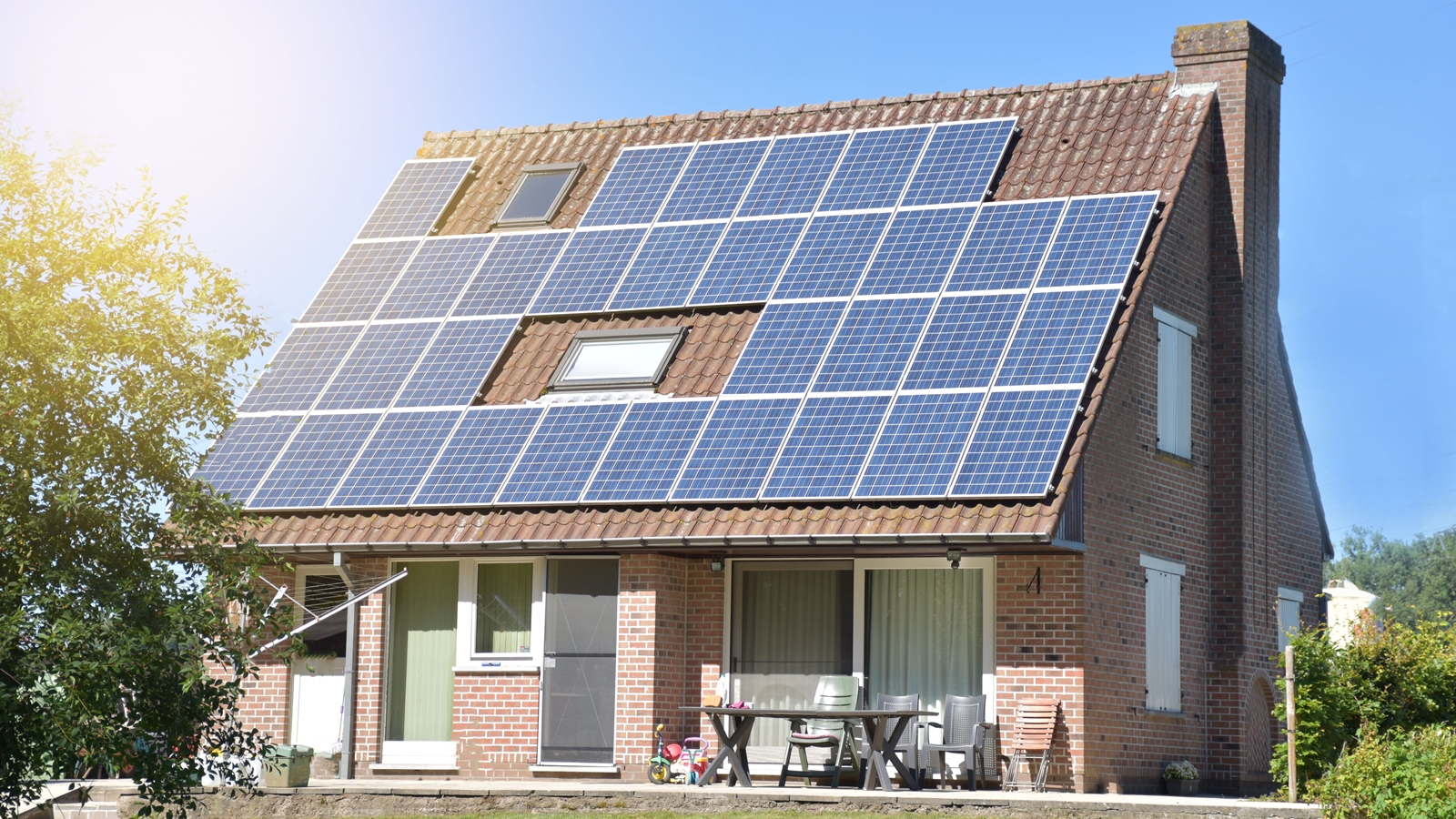
Benefits of Installing an Off-Grid Solar System in Canada: Cost Savings and Sustainability
Understanding Off-Grid Solar Systems
Components of an Off-Grid Solar System
An off-grid solar system is made up of several key parts. These include solar panels, a charge controller, batteries, and an inverter. Each component plays a vital role in capturing, storing, and converting solar energy. Solar panels collect sunlight and turn it into electricity. The charge controller manages the flow of electricity to the batteries, which store the energy for later use. Finally, the inverter changes the stored energy from direct current (DC) to alternating current (AC), which is what most home appliances use.
How Off-Grid Systems Work
Off grid solar system Canada work by capturing sunlight with solar panels and converting it into electricity. This electricity is then stored in batteries for use when the sun isn’t shining. The system operates independently from the main power grid, providing a self-sufficient energy solution. This means you can have power even in remote areas where traditional power lines don’t reach.
Differences Between Off-Grid and On-Grid Systems
Off-grid and on-grid solar systems have some key differences. Off-grid systems are completely independent and store their own energy. On-grid systems, on the other hand, are connected to the main power grid and can draw electricity from it when needed. Here are some main points to consider:
- Energy Independence: Off-grid systems provide complete energy independence, while on-grid systems rely on the main power grid.
- Cost: Off-grid systems can be more expensive initially due to the need for batteries and other components.
- Reliability: On-grid systems can offer more reliability since they can draw power from the grid during cloudy days or at night.
Choosing between off-grid and on-grid systems depends on your specific needs, location, and budget. Haliburton Solar and Wind can help you decide which system is best for you.
Financial Benefits of Off-Grid Solar Systems
Reduction in Electricity Bills
One of the most significant advantages of installing an off-grid solar system is the reduction in electricity bills. By generating your own power, you can avoid the rising costs of electricity from traditional utilities. This can lead to substantial savings over time, especially in areas with high electricity rates.
Government Incentives and Rebates
In Canada, there are various government incentives and rebates available for those who choose to install off-grid solar systems. These financial aids can significantly lower the initial investment cost, making it more affordable for homeowners and businesses. Programs vary by province, so it’s essential to research the specific incentives available in your area.
Long-Term Investment Returns
Investing in an off-grid solar system is not just about immediate savings. Over the long term, the system can provide a solid return on investment. The initial costs are offset by the savings on electricity bills and the potential increase in property value. Additionally, as energy prices continue to rise, the financial benefits of generating your own power become even more pronounced.
Choosing a reliable provider like Haliburton Solar and Wind can ensure that your off-grid solar system is both efficient and cost-effective in the long run.
Environmental Impact and Sustainability
Reduction in Carbon Footprint
Switching to an off-grid solar system can significantly lower your carbon footprint. By generating your own electricity from the sun, you reduce the need for fossil fuels. This means fewer greenhouse gases are released into the atmosphere. Over time, this can make a big difference in fighting climate change.
Promotion of Renewable Energy
Using off-grid solar systems helps promote the use of renewable energy sources. When more people choose solar power, it encourages further development and investment in clean energy technologies. This can lead to more innovations and better solutions for our energy needs.
Energy Independence
One of the biggest benefits of off-grid solar systems is energy independence. You are no longer reliant on the traditional power grid, which can be unreliable and expensive. Instead, you generate your own power, which can be especially useful in remote areas. This independence can also protect you from rising energy costs and power outages.
Choosing an off-grid solar system is a step towards a more sustainable and self-sufficient future. Companies like Haliburton Solar and Wind can help you make this transition smoothly.
Challenges and Solutions for Off-Grid Solar in Canada
Weather and Seasonal Considerations
Canada’s weather can be unpredictable, with long winters and short days. This can make it hard for off-grid solar systems to generate enough power. Snow and ice can cover solar panels, reducing their efficiency. To solve this, you can install panels at an angle to help snow slide off. Regular maintenance is also key to keeping panels clear and working well.
Energy Storage Solutions
Storing energy for use during cloudy days or at night is a big challenge. Batteries are the most common solution, but they can be expensive and need regular replacement. Newer technologies like lithium-ion batteries last longer and store more energy. Some people also use backup generators for extra power when needed.
Maintenance and Upkeep
Off-grid solar systems need regular care to work their best. This includes cleaning panels, checking connections, and making sure batteries are in good shape. Haliburton Solar and Wind offers maintenance services to help keep your system running smoothly. Regular check-ups can prevent small issues from becoming big problems.
Living off the grid in Canada requires planning and effort, but the rewards of energy independence and sustainability are worth it.
Case Studies of Successful Off-Grid Solar Installations in Canada
Residential Installations
In Canada, many homeowners are turning to off-grid solar systems to cut down on electricity costs and promote sustainability. One notable example is a family in Ontario who partnered with Haliburton Solar and Wind. They installed a system that now powers their entire home, even during harsh winters. This setup includes solar panels, batteries, and a backup generator, ensuring they have power year-round.
Commercial Installations
Businesses are also seeing the benefits of off-grid solar systems. A farm in Ontario decided to go off-grid to reduce their operational costs. They worked with local solar installers in Ontario to set up a system that powers their machinery and lighting. This move not only saved them money but also made their operations more sustainable.
Community Projects
Communities in remote areas of Canada are increasingly adopting off-grid solar systems. One community project involved setting up a solar power system for a small village in Northern Ontario. The project was a collaboration between local solar installers and the community. Now, the village enjoys reliable electricity without relying on distant power plants.
Off-grid solar systems are proving to be a viable solution for various needs, from individual homes to entire communities. They offer a way to save money and promote renewable energy, making them an excellent choice for many Canadians.
Steps to Install an Off-Grid Solar System
Site Assessment and Planning
The first step in setting up an off-grid solar system is to assess the site. This involves evaluating the location to determine the best placement for solar panels. Proper planning ensures maximum sunlight exposure and efficiency. Consider factors like shading, roof angle, and local weather patterns.
Choosing the Right Equipment
Selecting the right equipment is crucial for the success of your off-grid solar system. You’ll need solar panels, batteries, inverters, and charge controllers. Make sure to choose high-quality components that are compatible with each other. Consulting with experts like Haliburton Solar and Wind can help you make informed decisions.
Installation and Setup
Once you have your equipment, the next step is installation. This involves mounting the solar panels, connecting the electrical components, and setting up the battery storage system. It’s important to follow safety guidelines and local regulations during this process. After installation, test the system to ensure everything is working correctly.
Installing an off-grid solar system can be a complex process, but with careful planning and the right equipment, it can provide reliable and sustainable energy for years to come.
Conclusion
In summary, setting up an off-grid solar system in Canada offers many benefits. It can save you money on energy bills and help the environment. By using solar power, you reduce your carbon footprint and rely less on traditional energy sources. This means you are not only saving money but also helping to protect the planet. Plus, with the advancements in solar technology, it’s easier and more affordable than ever to make the switch. So, if you are looking to save money and go green, an off-grid solar system is a great choice.


