
How Animal Hospitals Contribute To Public Health And Safety
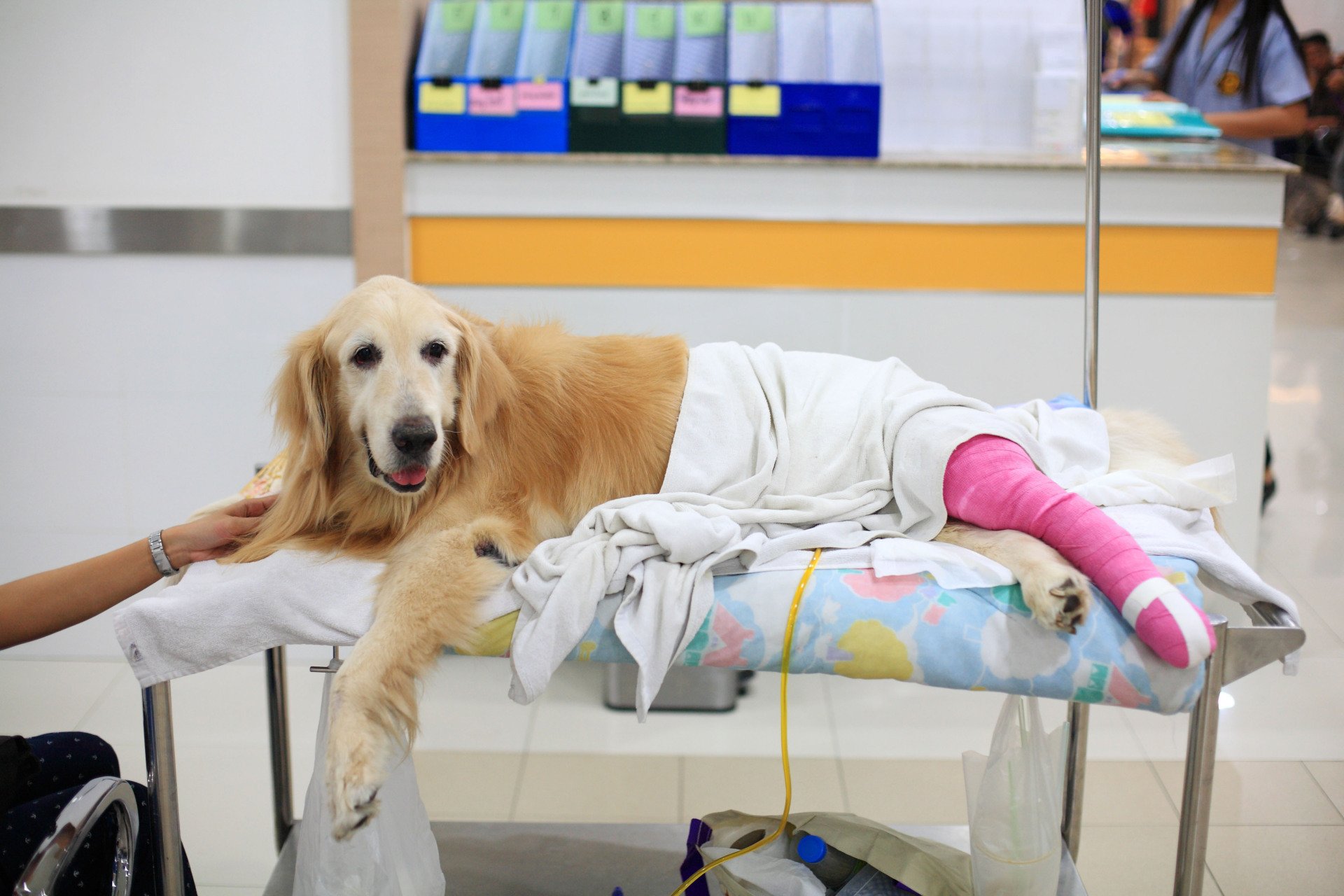
Animal hospitals protect more than pets. They protect you, your family, and your community. When you bring a sick dog, a barn cat, or even visit an exotic pet veterinarian in Alexandria, VA, you help block disease at the source. Animal hospitals watch for infections that can pass from animals to people. They report strange symptoms fast. They guide you on vaccines, bites, and safe handling of animals. They also support disaster response when storms, fires, or outbreaks hit. This work keeps shelters safer and keeps streets calmer. It also reduces fear when new diseases appear. You may only see a checkup or an emergency visit. Yet behind each visit sits a quiet system that guards food, water, and air. This blog explains how that system works, why it matters to your daily life, and how your choices as a pet owner shape public health.
How Animal Hospitals Form A Safety Net
You see the front door and the exam room. You see the staff who greet your pet by name. You do not always see the safety net behind them.
Animal hospitals link your home to local and national health systems. They share disease reports. They watch patterns over time. They help stop small problems from turning into wide fear.
In simple terms, they do three things.
- They spot health risks early.
- They keep those risks from spreading.
- They teach you how to lower risk at home.
This steady work protects young children, older adults, and people with weak immune systems. It also protects people who work with animals every day.
Stopping Diseases That Pass From Animals To People
Many serious infections start in animals. Rabies, ringworm, certain flu strains, and some food borne germs can pass from animals to people. These are called zoonotic diseases by experts. You do not need that word to know the risk is real.
Animal hospitals help by
- Giving core vaccines such as rabies.
- Checking bites and scratches and giving clear advice.
- Testing stool for parasites that can spread to people.
- Sending lab samples when they see strange signs.
The Centers for Disease Control and Prevention explains that some germs spread through bites, scratches, or close contact with pets.
You lower risk when you keep your pet up to date on vaccines and parasite tests. You also lower risk when you follow handling tips from your veterinarian.
Supporting Clean Food, Water, And Air
Animal hospitals do not only treat dogs and cats. Many also see backyard poultry, small farm animals, or pocket pets. Some support livestock herds through linked services.
These visits protect the food you eat and the water you drink. They also protect the air you breathe.
- Healthy animals shed fewer germs into yards, parks, and streams.
- Safe use of antibiotics lowers the chance of drug resistant bacteria.
- Guidance on waste cleanup keeps playgrounds and shared spaces cleaner.
The United States Department of Agriculture notes that healthy herds and flocks are key to a safe food supply.
Vaccines And Preventive Care Protect Everyone
Routine visits feel simple. Yet they build a shield around your home and your street.
During a yearly exam, staff may
- Update rabies and other core vaccines.
- Screen for heartworm and tick borne disease.
- Check weight and diet to prevent long term illness.
- Review flea, tick, and parasite control.
This care does two things. It keeps your pet stable. It also cuts the number of germs that can reach you or your neighbors.
Animal Hospitals As Early Warning Systems
When a new disease appears, it often shows up in clinic records first. Staff start to see the same strange cough or fever over and over. They notice clusters in one zip code. They see patterns that do not fit the season.
Then they act.
- They alert public health officials.
- They send samples to approved labs.
- They share safety steps with pet owners.
This early warning can slow an outbreak. It gives health departments time to trace contacts and share clear messages. It also gives you time to protect your home.
Helping During Disasters And Emergencies
Fires, floods, storms, and disease outbreaks all hit animals. They also hit people who love those animals. Panic grows when pets are left out of disaster plans.
Animal hospitals help by
- Microchipping pets so they can return home after chaos.
- Keeping vaccine records that shelters can trust.
- Working with local agencies to set up safe animal shelters.
When pets have a safe place, families are more willing to leave danger early. That choice saves human lives. It also keeps first responders from facing extra rescue calls.
Teaching Safe Behavior Around Animals
Bites and scratches cause pain, fear, and medical bills. Many can be stopped with simple habits taught in exam rooms.
During visits, staff often teach children and adults how to
- Ask before touching a strange dog.
- Read warning signs such as stiff posture or a tucked tail.
- Wash hands after play or feeding.
- Store food and litter in safe places.
These lessons lower bite rates. They also lower the spread of germs picked up on hands, clothing, or shared toys.
At Home Habits That Support Public Health
Your daily choices matter. You support public health when you
- Keep a set vaccine and checkup schedule.
- Use parasite control as directed.
- Clean up waste during walks or yard time.
- Secure trash so wildlife and stray animals stay away.
- Call your veterinarian when you see sudden behavior change or illness.
These steps protect your block. They also protect workers who handle trash, mail, and deliveries near your home.
Sample Comparison Of Public Health Benefits
| Service At Animal Hospital | Main Benefit For Your Pet | Main Benefit For Public Health |
|---|---|---|
| Rabies vaccination | Prevents a deadly brain infection | Stops spread of rabies to people and wildlife |
| Flea and tick control | Prevents itching and blood loss | Lowers risk of tick borne illness in humans |
| Stool testing for parasites | Prevents stomach pain and weight loss | Reduces parasites that can infect children |
| Microchipping | Helps reunite you with a lost pet | Cuts stray populations that can spread disease |
| Bite wound care | Protects your pet from infection | Supports accurate reporting of bite risks |
Why Your Choices Matter
Public health can feel distant. It can sound like something that happens in large labs or government rooms. In truth, it starts in your living room and your yard.
Every time you choose to vaccinate, clean up, and seek care early, you protect more than your pet. You shield your family, your neighbors, and people you will never meet.
Animal hospitals stand with you in this work. They bring medical skill, watchful eyes, and calm guidance. You bring daily action and steady care. Together, you keep your community safer.