
How Veterinary Clinics Care For Exotic And Small Pets
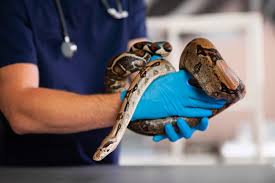
Your pet is small. Your worry feels big. Exotic and small pets depend on you to notice every small change. They also need a team that understands their special needs. A rabbit, parrot, gecko, or guinea pig does not respond like a dog or cat. Their bodies hide pain. Their health can change fast. You deserve clear answers and steady support. A veterinary clinic in Dallas that treats exotic and small pets uses different tools and skills. Staff adjust exams, medicine, and handling for each species. They focus on safe handling and low stress. They teach you how to spot trouble early at home. They help with food, housing, and daily care that fits your pet. This blog explains how clinics protect these fragile animals. It shows what to expect at each visit and how you can speak up for your pet.
What Counts As An Exotic Or Small Pet
Many pets fall into this group. Each needs different care.
- Rabbits, guinea pigs, hamsters, gerbils, rats, and mice
- Ferrets and small hedgehogs
- Parrots, finches, canaries, and backyard chickens
- Snakes, lizards, turtles, and tortoises
- Frogs and other small amphibians
These pets have fast heartbeats and fast lives. Illness grows quickly. A clinic that understands this treats every visit as a chance to catch problems early.
First Visits And Routine Checkups
Your first visit sets the tone. Staff ask about where your pet lives, what your pet eats, and how your pet acts at home. They listen to you. They also watch your pet from a distance before they touch. Sudden handling can cause fear or injury.
Routine visits often include three steps.
- Careful history. You share feeding, sleep, and behavior patterns.
- Gentle exam. Staff handle your pet with slow, planned moves.
- Targeted tests. They may check stool, blood, or X rays if needed.
Routine care is the strongest shield. It reduces emergency visits. It also gives you a regular chance to ask direct questions.
Handling And Restraint That Protects Your Pet
Safe handling is a core skill. Exotic and small pets can break bones or stop breathing if held the wrong way. Clinics train staff to use species specific holds. They also use towels, soft wraps, and quiet rooms. Some pets need a mild gas sedative for stressful tests. This keeps them still and prevents panic.
Handling Needs For Common Exotic And Small Pets
| Pet Type | Handling Focus | Common Risk |
|---|---|---|
| Rabbit | Support back and hind legs | Spinal injury from kicking |
| Guinea pig | Secure body close to chest | Stress and overheating |
| Parrot | Control head and wings | Bites and wing injury |
| Snake | Support full body length | Spine strain or escape |
| Lizard | Support chest and pelvis | Tail loss or rib injury |
You can watch and learn these holds. This helps you handle your pet at home with more safety and less fear.
Housing, Diet, And Daily Life
Many health problems come from poor cages and poor diets. Clinics spend time on these basics. Simple changes can prevent long pain.
- Housing. Staff review cage size, bedding, light, and temperature. They warn about wire floors, dusty bedding, and glass tanks with no airflow.
- Diet. They explain which foods support teeth, bones, and gut health. They cut through myths from pet stores and online posts.
- Enrichment. They suggest toys, chew items, and safe climbing or digging options.
For guidance on healthy rabbit diets, you can review the Merck Veterinary Manual feeding advice for pet rabbits. It offers clear, science based feeding steps that clinics often use.
Common Health Problems Clinics Watch For
Exotic and small pets hide sickness. Clinics look for patterns that you might miss.
- Rabbits and rodents. Dental overgrowth, gut slowdown, and breathing infections.
- Birds. Feather loss, breathing trouble, and nutrition gaps.
- Reptiles. Bone disease from poor light, infections from low hygiene, and burns from hot lamps.
- Ferrets. Hormone disease, insulin issues, and adrenal problems.
Staff show you early warning signs. They point out weight shifts, stool changes, or change in posture. You learn what is an emergency and what can wait for a normal visit.
Testing And Treatment For Small Patients
Testing a tiny pet takes planning. Blood draws use very small needles and strict limits. Imaging uses low doses and gentle holding. Some tests use stool or feather samples instead of blood.
Treatment also needs care.
- Drug doses use weight to avoid harm.
- Liquid medicine often tastes sweet or mild to avoid refusal.
- Many pets need feeding support by syringe during recovery.
Some clinics use written plans for home care with simple steps and check boxes. This helps your family share tasks and avoid missed doses.
Emergency Care And When To Call
With small and exotic pets, waiting can cost a life. Clinics teach you red flag signs that need urgent help.
- Sudden stop in eating or drinking
- Open mouth breathing or gasping
- Bleeding that does not stop
- Seizures or collapse
- Swollen belly or severe straining
Many clinics keep same day slots for fragile pets. They might guide you by phone on safe transport and simple first steps. They may also point you to emergency hospitals that accept exotic patients at night.
Your Role As A Strong Advocate
You know your pet best. Your story guides the visit. Bring photos of the cage, food labels, and short videos of odd behavior. Keep a small log of weight, appetite, and stool.
The more you share, the more targeted the care. The United States Department of Agriculture offers pet travel and care resources that can support your planning when you move or travel with exotic pets. You can ask your clinic how to adapt that guidance to your home life.
Every visit is a partnership. The clinic brings training and tools. You bring love, close watching, and daily effort. Together you can protect these delicate companions and give them a safe, steady life.

