
Tongkat Ali Capsules vs Tincture: Which Format Fits Your Routine?
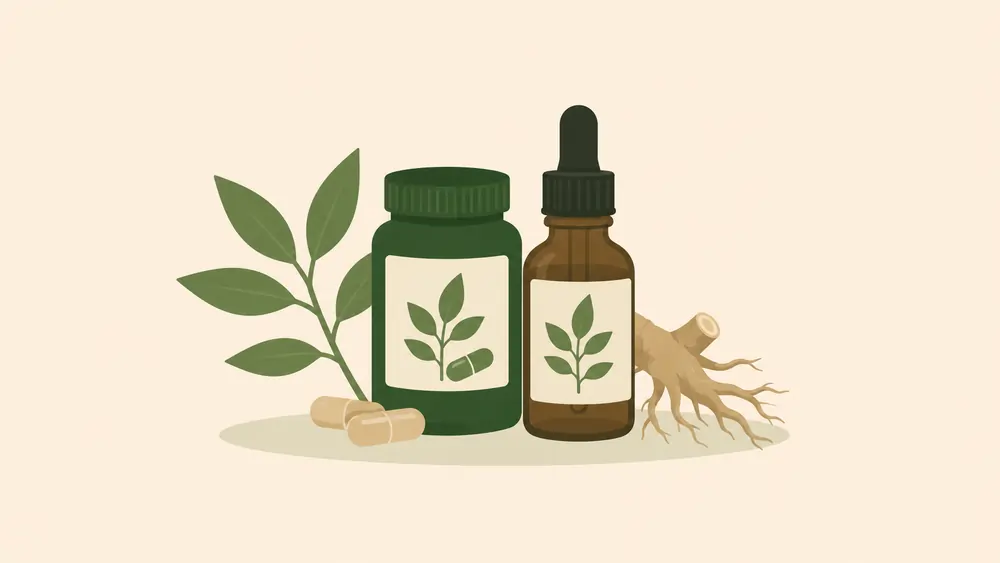
Tongkat ali capsules vs tincture is a practical format question, not a reason to chase the strongest-looking product. Capsules are usually easier for people who want no taste, simple serving control, and travel-friendly use. Tinctures may fit people who prefer liquid supplements and want a faster, more flexible routine. Powder and coffee blends add more options, but they also add taste, measuring, and caffeine considerations.
Tongkat ali is commonly known as Eurycoma longifolia and is often sold as root extract, capsules, tinctures, powders, and functional drink blends. HerbEra approaches this choice as a routine and label-reading decision: the best format is the one you can use consistently while checking plant identity, serving size, extract details, and safety cautions.
This article does not provide medical advice. Tongkat ali supplements are not intended to diagnose, treat, cure, or prevent any disease. If you are under 18, take medication, have liver concerns, have a hormone-sensitive condition, are pregnant or breastfeeding, or manage a diagnosed health issue, speak with a qualified healthcare professional before using tongkat ali.
Tongkat Ali Capsules vs Tincture: What Is the Main Difference?
The main difference is how the format fits into your day. Tongkat ali capsules contain powder or extract inside a swallowable shell. Tongkat ali tincture is a liquid extract, usually taken directly or diluted in water.
Capsules usually feel simpler. You take a fixed serving with water and move on. They have little to no taste exposure and work well for travel, work, and daily supplement organizers.
Tinctures feel more flexible. You can use them in a liquid routine and adjust how you take them within the label directions. The trade-off is taste. Tongkat ali has a strong bitter profile, and tinctures can make that taste more noticeable.
Quick Comparison: Capsules, Tincture, Powder, and Coffee Blend
| Format | Best For | Routine Fit | Watch-Out |
|---|---|---|---|
| Capsules | No taste and simple habit | Morning or with food | Less flexible serving style |
| Tincture | Flexible liquid routine | Quick daily use with water | Strong herbal bitterness |
| Powder | DIY users | Smoothies, coffee, or blends | Harder to measure and taste is strong |
| Coffee blend | Habit stacking | Morning drink routine | Caffeine stacking and unclear serving details |
When Do Tongkat Ali Capsules Make More Sense?
Tongkat ali capsules make more sense when you want a low-friction routine. They are easy to take with water, easy to pack, and easy to keep consistent. They also avoid the strong bitter taste that can come with tinctures and powders.
Capsules are usually the better option for beginners who want simple serving control. The serving size is usually listed clearly on the Supplement Facts panel, and the number of capsules per serving is easy to follow.
The downside is that capsules are less flexible. You cannot adjust the format as easily as a liquid. Some people also dislike swallowing capsules. If that is your main barrier, tincture may feel easier.
When Does Tongkat Ali Tincture Make More Sense?
Tongkat ali tincture makes more sense when you prefer liquid supplements or dislike capsules. A tincture can be taken directly if the label allows it, but many users prefer diluting it in water because the taste can be strong.
Tinctures can fit a quick morning or midday routine. They may also feel easier for people who already use liquid herbal extracts and keep them near a water glass or daily wellness shelf.
The main challenge is bitterness. Tongkat ali is known for a strong, bitter taste, and a tincture can make that sensory experience more direct. If taste affects your consistency, capsules may be the better format.
Which Format Has the Least Taste?
Capsules usually have the least taste. The capsule shell keeps the ingredient away from your tongue, so you avoid most of the bitterness.
Tinctures usually have more taste because they are liquid and concentrated. Powder can taste even more obvious if mixed into water, coffee, or smoothies. Coffee blends may hide some bitterness, but they can also add caffeine and other ingredients that change the routine.
If you are taste-sensitive, start with capsules. If you choose tincture, dilute it well and use it with or after food if the label allows and your stomach prefers that.
Which Format Is Better for Travel?
Capsules are usually better for travel. They are compact, discreet, and less likely to spill. They also do not require a dropper, measuring method, or drink for dilution.
Tinctures can travel, but they require more care. Liquid bottles can leak, break, or create packing issues. Alcohol-based tinctures may also require extra attention depending on personal preference or travel rules.
Powders are less convenient for travel because they need measuring and mixing. Coffee blends can be convenient if they come in single-serve packets, but they still depend on access to water, a cup, and a morning drink routine.
Which Format Is Better With Food?
Both capsules and tinctures can fit with food if the product label allows it. For many beginners, a meal-based routine is easier to remember and may feel gentler on the stomach.
Capsules pair naturally with breakfast or lunch. You take them with water and keep the routine simple. Tinctures can also be used near meals, especially if the taste feels too strong on an empty stomach.
Exact timing matters less than comfort and consistency. A routine you can repeat is better than a perfect schedule you abandon after three days.
What About Tongkat Ali Powder?
Tongkat ali powder may appeal to DIY users who like mixing supplements into drinks or foods. It offers flexibility, but it is usually the hardest format to manage for taste and measuring.
Powder can be very bitter. If you mix it into plain water, the taste may be intense. Coffee, smoothies, or strongly flavored drinks may hide some bitterness, but they can also make serving size less precise if you do not measure carefully.
Powder is best for users who are comfortable reading labels, measuring servings, and dealing with taste. Beginners usually find capsules easier.
What About Tongkat Ali Coffee Blends?
Tongkat ali coffee blends may work for people who already drink coffee every morning and like habit stacking. The coffee habit becomes the reminder.
The main issue is caffeine. If you already drink coffee, energy drinks, pre-workout products, or strong tea, a coffee blend may increase caffeine stacking. That can matter for people sensitive to jitters, sleep disruption, stomach discomfort, or a wired feeling.
Coffee blends can also make the label harder to interpret. They may include multiple herbs, mushrooms, sweeteners, flavors, or proprietary blends. Always check how much tongkat ali is actually included and whether the product identifies Eurycoma longifolia root extract clearly.
Label Details That Matter More Than Format
The format matters, but the label matters more. A capsule, tincture, powder, or coffee blend should clearly identify the plant, plant part, serving size, and extract details.
| Label Detail | What to Look For | Why It Matters |
|---|---|---|
| Botanical name | Eurycoma longifolia | Confirms the plant identity |
| Plant part | Root or root extract | More useful than vague herb wording |
| Serving size | Amount per serving and servings per container | Helps compare products fairly |
| Extract ratio | 10:1, 100:1, 200:1, or other ratio | Useful only with context |
| Standardization | Eurycomanone or another named marker | Can support consistency if clearly stated |
| Testing | Third-party testing or batch quality information | Helps screen for identity and contaminants |
Why Extract Ratio Is Not Enough
Many tongkat ali products highlight ratios such as 10:1, 100:1, or 200:1. These numbers can be useful, but they do not tell the full story.
An extract ratio does not automatically tell you the final marker compound level, serving size, extraction method, contaminant testing, or whether the product is accurately labeled. A high ratio can look impressive while still giving limited quality information.
Look for ratio plus standardization, plant part, serving size, and testing. A clear label is more useful than a dramatic number.
Why Eurycomanone May Appear on the Label
Eurycomanone is a marker compound associated with Eurycoma longifolia. Some tongkat ali extracts are standardized to a stated level of eurycomanone.
A label that clearly lists eurycomanone can help buyers compare extract consistency. But the marker should not be treated as a magic score. It is one quality detail among several.
HerbEra takes a practical editorial stance here: compare the full label, not one attractive term. Format, ratio, eurycomanone, serving size, and testing all need context.
Safety Notes Before Choosing a Tongkat Ali Format
Tongkat ali is not appropriate for everyone. People under 18 should not use it unless a qualified healthcare professional gives personalized guidance. Pregnant or breastfeeding people should avoid self-directed use.
People with liver concerns, hormone-sensitive conditions, heart conditions, high blood pressure, sleep issues, anxiety, or medication use should ask a qualified healthcare professional before using tongkat ali.
Also be cautious with products that make aggressive claims. Avoid labels that promise dramatic hormone changes, instant performance results, or medical outcomes. Responsible supplement content should stay within general wellness boundaries.
Tongkat Ali Format Checklist
Use this checklist before choosing between tongkat ali capsules, tincture, powder, or coffee blend. The goal is to match the format to your real routine while checking label quality and safety factors. A simple, clear routine is better than a trendy format you cannot evaluate.
Choose Your Taste Tolerance
If you dislike bitter herbs, capsules are usually easiest. If you can handle strong taste, tincture or powder may still work.
Match the Format to Your Day
Use capsules for travel and simple habits. Use tincture for liquid routines. Use coffee blends only if caffeine fits your day.
Check the Botanical Name
Look for Eurycoma longifolia. Avoid vague blends that do not clearly identify the plant.
Confirm Root Extract
Look for root or root extract on the label. Plant part matters when comparing products.
Review Serving Size
Check the amount per serving and how many capsules, drops, scoops, or packets count as one serving.
Look for Testing
Prefer products with third-party testing or batch quality information. Testing matters more than a dramatic front-label claim.
Check Personal Safety Factors
Ask a qualified professional if you take medication, have health concerns, are under 18, or are pregnant or breastfeeding.
Common Mistakes to Avoid
Choosing Tincture Without Considering Taste
Tincture can be convenient, but tongkat ali can taste very bitter. Taste can affect consistency.
Assuming Capsules Are Weak
Capsules are not automatically weaker. They are simply a format with less taste and easier serving control.
Using Coffee Blends Without Counting Caffeine
Coffee blends may stack with other caffeine sources. Check total caffeine intake and timing.
Comparing Products by Ratio Alone
A 200:1 ratio is not automatically better than a 10:1 ratio. Check standardization, serving size, and testing.
Ignoring Safety Warnings
Tongkat ali may not fit every person. Review cautions before use, especially if medication or health conditions apply.
FAQ about Tongkat Ali Capsules vs Tincture
Are tongkat ali capsules better than tincture?
Not for everyone. Capsules are better for no taste and simple serving control, while tincture may suit people who prefer liquid supplements.
Does tongkat ali tincture taste bitter?
Yes, tongkat ali tincture can taste very bitter because it is a concentrated liquid format.
Which tongkat ali format has the least taste?
Capsules usually have the least taste because the capsule shell hides the bitter flavor.
When should I take tongkat ali capsules?
Follow the product label. Many people place capsules with breakfast or lunch for a simple routine.
When should I take tongkat ali tincture?
Follow the product label. Many users dilute tincture in water and use it in a morning or midday routine.
Is tongkat ali powder easier than capsules?
Usually no. Powder is more flexible, but it can be bitter and harder to measure accurately.
Are tongkat ali coffee blends a good idea?
They may fit people who already drink coffee, but caffeine stacking and unclear serving details can be concerns.
What should I check on a tongkat ali label?
Check Eurycoma longifolia, root extract, serving size, extract ratio, standardization, testing, other ingredients, and warnings.
Who should avoid self-directed tongkat ali use?
People under 18, pregnant or breastfeeding people, and those with liver concerns, hormone-sensitive conditions, medication use, or health issues should ask a qualified professional first.
Glossary
Tongkat Ali
A common name for Eurycoma longifolia, a plant used in some dietary supplements.
Eurycoma longifolia
The botanical name commonly associated with tongkat ali.
Capsules
A supplement format that contains powder or extract inside a swallowable shell.
Tincture
A liquid extract usually taken directly or diluted in water.
Powder
A loose supplement format that can be mixed into drinks or foods.
Coffee Blend
A drink product that combines coffee or coffee-style ingredients with tongkat ali or other botanicals.
Root Extract
An extract made from the root part of the plant.
Extract Ratio
A concentration claim that compares raw plant material used to the amount of finished extract.
Eurycomanone
A marker compound often used in tongkat ali extract standardization.
Conclusion
Tongkat ali capsules vs tincture comes down to taste, convenience, serving style, and label clarity. Choose capsules for no-taste simplicity, tincture for flexible liquid use, powder for DIY mixing, and coffee blends only if caffeine fits your routine.
Sources
Safety assessment of Eurycoma longifolia root extract as a novel food, EFSA Journal / PubMed Central — pmc.ncbi.nlm.nih.gov/articles/PMC8693240
EFSA opinion summary noting eurycomanone and glycosaponin specifications for tongkat ali root extract, EFSA Journal — efsa.onlinelibrary.wiley.com/doi/pdf/10.2903/j.efsa.2021.6937
Tongkat ali supplement safety overview and EFSA safety concern summary, Operation Supplement Safety — opss.org/article/tongkat-ali-uses-and-safety-dietary-supplements
Tongkat ali root extract application summary describing standardized water extract and eurycomanone, European Commission / Novel Food application — food.ec.europa.eu
Product adulteration and eurycomanone testing discussion for Eurycoma longifolia products, PubMed Central — pmc.ncbi.nlm.nih.gov/articles/PMC6130542
Tongkat ali liver safety overview and liver injury discussion, LiverTox / NCBI Bookshelf — ncbi.nlm.nih.gov/books/NBK609015
Dietary supplement labeling and consumer guidance, U.S. Food and Drug Administration — fda.gov/food/dietary-supplements


