
How Pediatric Dentists Use Gentle Techniques For Nervous Kids
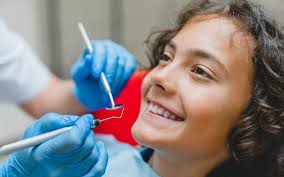
Many children feel fear when they see a dental chair. Your child might cry, freeze, or cling to you. That reaction is common. A pediatric dentist in Killeen, TX understands this fear and plans every step to calm it. You see quiet rooms, soft voices, and slow, clear explanations. You hear simple words that your child understands. You watch the dentist show each tool before using it. You notice short visits that build trust instead of long stressful ones. You also see choices offered to your child, like picking a flavor or a toy, which gives a sense of control. These gentle techniques do more than get through one visit. They teach your child that dental care can feel safe. That reduces fear and tantrums. It also protects your child’s teeth, speech, and health for many years.
Why Some Kids Fear The Dentist
Your child may fear the dentist for three common reasons. First, a past bad visit or painful shot. Second, fear of the unknown. Third, seeing your own worry.
You can spot this fear through body language. Your child may cover their mouth, refuse to open wide, or hide behind you. Some kids ask the same questions again and again. Other kids go silent.
This fear is not a sign of weakness. It is a sign your child needs extra care, clear steps, and more control.
Gentle Communication That Builds Trust
Pediatric dentists use simple words and a slow pace. They explain what will happen in three short steps. They tell your child what they will see, hear, and feel.
Many dentists use “tell, show, do”. They tell your child what they plan to do. They show the tool on a finger or a stuffed toy. They then do the step in the mouth. That pattern builds trust and cuts surprise.
They also watch your child’s face. If your child looks tense, they pause. They ask a short question. They adjust their words. This careful talk turns fear into cooperation.
Comfort Tools And Calming Spaces
The dental office often feels different from a general clinic. You may see quiet colors, simple art, and small chairs. You may hear music or a story. These touches pull your child’s mind away from fear.
Pediatric dentists often use three simple comfort tools.
- Distraction. Toys, books, ceiling TVs, or music.
- Comfort items. A blanket, stuffed animal, or hand to hold.
- Clear choices. Picking a flavor, a toothbrush color, or a small prize.
Each tool gives your child a sense of control. That control lowers fear and helps your child stay still without force.
Behavior Guidance That Respects Your Child
Gentle care does not mean your child runs the visit. It means the team guides behavior in a firm, kind way. They use calm faces, steady voices, and praise for each small success.
Common steps include three core methods.
- Positive wording. Saying “keep your mouth open” instead of “do not close”.
- Modeling. Letting a sibling or parent show a simple exam first.
- Small goals. Counting to ten while your child holds still, then resting.
These methods follow guidance from groups like the American Academy of Pediatric Dentistry and match advice from the Centers for Disease Control and Prevention on children’s oral health. You see steady respect for your child’s limits with clear expectations for cooperation.
Gentle Care Options For Different Ages
Every child needs a different plan. Age, health, and past visits all matter. The table below shows common gentle approaches by age group.
| Age group | Main fear | Gentle techniques | Parent role |
|---|---|---|---|
| Toddlers 1 to 3 | Separation from parent | Lap exams, short visits, simple songs | Hold child, stay in view, stay calm |
| Preschool 3 to 5 | Fear of tools and sounds | “Tell, show, do”, toy demonstrations, counting games | Practice open wide at home, praise bravery |
| School age 6 to 11 | Fear of pain or shots | Numbing gels, slow explanation, breathing exercises | Avoid scary stories, answer questions honestly |
| Teens 12 and up | Loss of control or embarrassment | Private talks with dentist, clear choices, respect for privacy | Support decisions, avoid pressure in front of peers |
How Gentle Techniques Protect Long Term Health
Fearful kids often skip visits. That gap leads to more cavities and infections. Those problems can cause missed school days and trouble eating. Data from the National Institute of Dental and Craniofacial Research show that many children have untreated decay.
Gentle care changes that pattern. When your child trusts the dentist, you can keep regular checkups. Early visits find small problems before they cause pain. That means fewer shots and less drilling.
Calm visits also shape how your child sees health care. A child who feels safe in the dental chair learns that speaking up, asking questions, and working with a care team is normal.
How You Can Support Gentle Care At Home
You play a strong role in your child’s comfort. You can prepare your child before the visit with three simple steps.
- Use plain, honest words. Say “the dentist will count your teeth and clean them”.
- Avoid bribes or threats. Do not say “it will not hurt” if you are not sure.
- Practice. Use a toothbrush at home and pretend to be the dentist.
During the visit, stay calm. Your child reads your face. Speak with the dentist ahead of time about your child’s fears. Ask what role you should play in the room. Some kids do best when you stay in a chair. Other kids need a hand to hold.
When To Ask For Extra Help
Some children still struggle even with gentle steps. They may have special health needs, strong gag reflexes, or deep fear. In those cases, talk with the dentist about advanced comfort options such as medicine that helps your child relax.
Always ask about safety steps, training, and monitoring. A good pediatric dentist explains each option in clear language and respects your choice.
Moving From Fear To Confidence
Gentle pediatric dental care is not a luxury. It is a basic need for your child’s health and confidence. With clear words, calm spaces, and respect for your child’s pace, nervous kids can learn to sit in the chair without tears. Step by step, each visit becomes easier. That steady change protects your child’s teeth and builds courage that reaches far beyond the dental office.

